Payoneer in Nigeria: Fees, Sign-Up and How to Withdraw to Your Bank
Payoneer works in Nigeria: sign up with a passport, NIN or driver's licence, then withdraw to any bank in naira. Fees run 1-4%, checked October 2026.


In this guide▾
- Quick facts: Payoneer in Nigeria
- How to open a Payoneer account in Nigeria
- What Payoneer actually charges in Nigeria
- How to withdraw Payoneer money to your Nigerian bank
- What exchange rate will you actually get?
- Do you pay tax on money that comes through Payoneer?
- What to watch out for
- Frequently asked questions
Payoneer works in Nigeria, and most freelancers who get paid in dollars, pounds or euros from abroad use it without a Nigerian bank branch ever being involved until the final step. You sign up free with a passport, driver's licence or national ID, get a receiving account in USD, GBP or EUR to hand to clients, then withdraw straight to any Nigerian bank in naira. Payoneer charges 1% (minimum $1) to receive money into a non-naira balance, 1.2%–4% to convert and withdraw it to your bank, and $29.95 a year if your account sits below $6,000 in receipts for 12 months straight (Payoneer's fee schedule, checked October 2026). Here's exactly how the sign-up, the fees and the withdrawal work, and what to double-check before you move real money.
Quick facts: Payoneer in Nigeria
| Works for Nigerians | Yes — individuals and registered businesses |
| ID needed to sign up | Passport, driver's licence or national ID, plus proof of address |
| Receiving fee | 1% of the amount, minimum $1, when it lands in a non-naira balance |
| Withdrawal to your Nigerian bank | 1.2%–4%, conversion included (Nigeria isn't on Payoneer's cheaper same-currency list) |
| Inactivity fee | $29.95/year if you receive under $6,000 (or equivalent) in any 12 months |
| Time to reach your bank | 1–3 business days, often 2 |
| Exchange rate | Shown before you confirm; normally a little under the CBN's official NAFEM rate |
Sources: Payoneer fees, Payoneer withdraw funds. Checked October 2026.
How to open a Payoneer account in Nigeria
- Sign up at payoneer.com with your email, full legal name and Nigeria as your country. It's free — there's no setup fee.
- Verify your identity in the Verification Center. Payoneer asks individuals for a government-issued ID — your international passport, driver's licence or national ID card — plus proof of address (a utility bill, bank statement or account letter from the last six months) and a bank verification document. For most Nigerians, the national ID is the card or slip from your NIN registration. Everything has to show the same name, so a passport spelled slightly differently from your bank account will get flagged (Payoneer document verification FAQ, checked October 2026).
- Link your Nigerian bank account. Any major bank works — GTBank, Access, Zenith, UBA, First Bank and the rest. Payoneer may send one or two small test deposits to confirm the account is yours before you can withdraw to it.
- Grab your receiving accounts. Once verified, Payoneer gives you virtual account details in USD, GBP and EUR that you hand to clients or paste into marketplace settings on Upwork, Fiverr or similar. You're not opening a real US or UK bank account — it's a receiving address that routes to your Payoneer balance.
Review can take anywhere from under a day to a few business days depending on which documents you upload — recommended ID types move faster than unusual ones, per Payoneer's own guidance.
What Payoneer actually charges in Nigeria
Go by Payoneer's own fee schedule, not the figure a blog quoted last year — it's a global fee sheet, and it's clear about which bits apply to you as a Nigerian account holder (Payoneer fees, checked October 2026):
| Fee | Amount |
|---|---|
| Receiving into a non-local-currency balance (USD/GBP/EUR, which is "non-local" for a Nigerian account) | 1% of the amount, minimum $1 |
| Receiving a card payment from a payer | Up to 3.99% + $0.49 |
| Withdrawing to your Nigerian bank (currency conversion included) | 1.2%–4% |
| Moving money between your own Payoneer currency balances | 0.5% |
| Annual account fee for low activity | $29.95, only if you receive under $6,000 (or equivalent) across any 12 months |
| Payoneer Mastercard — annual fee | $29.95 |
| Payoneer Mastercard — cash withdrawal | $3.15 plus up to 1.8% (up to 3.5% if the ATM converts currency) |
Marketplace fees sit on top and vary by platform — Payoneer's own fee page says this plainly rather than quoting one number for every site, so check what Upwork, Fiverr and the other platforms actually charge for a Payoneer payout before you assume a figure.
The withdrawal fee is the one that catches people out. Nigeria doesn't appear on Payoneer's list of countries that get the cheaper same-currency withdrawal rate, so converting a USD balance to naira in your bank sits in that 1.2%–4% band rather than a flat dollar fee. On a $500 payout, that's roughly $6–$20 lost to the conversion alone, before you even look at the exchange rate itself. Cameroon is in the same position, though its euro peg makes the conversion easy to check; see Payoneer in Cameroon.
How to withdraw Payoneer money to your Nigerian bank
- In your Payoneer dashboard, open Withdraw Funds (or Withdraw to Bank).
- Choose the Nigerian bank account you linked. First time round, add the bank name and account number and wait for the verification deposits to clear.
- Enter the amount you want to move. Payoneer shows you the exact naira figure and the rate it's using before you confirm — nothing is hidden at this step.
- Confirm the withdrawal. Payoneer's own site says most withdrawals land within about two business days, and its FAQ gives a wider window of one to three business days depending on the bank and currency (Payoneer withdraw funds, checked October 2026).
If you run a CAC-registered business, there's a second route: Payoneer's partnership with Kuda Bank lets you link your Kuda account and move funds between the two instantly from the Kuda app, with withdrawals landing in naira (Payoneer–Kuda Bank announcement, checked October 2026). That's specifically for registered businesses — if you're freelancing as an individual, the standard bank-withdrawal route above is the one you'll use.
Whichever bank you withdraw to, make sure your BVN is active and matches the name on your Payoneer account. A mismatched or dormant BVN is a common reason a naira transfer bounces back. Once the naira lands, you don't have to leave it idle until your next invoice — putting some of it into Treasury bills is one short-term option while you wait on the next payment.
What exchange rate will you actually get?
Payoneer doesn't publish one fixed Payoneer-to-naira rate — it converts at the rate live on your screen the moment you confirm the withdrawal, and that rate moves daily with the market. As a benchmark: the Central Bank of Nigeria's official NAFEM window was trading around ₦1,327 to the dollar in the first week of October 2026, while the parallel ("black") market was quoting roughly ₦1,370–₦1,390 (techeconomy.ng, 5 October 2026, citing CBN data).
Services like Payoneer that convert through the official market typically land a little under that NAFEM rate once their margin is in, and consistently better than the street-corner "aboki" rate you'd get swapping dollars informally — but the only way to know your real number is the one Payoneer shows you before you tap confirm. Check it against a live rate tracker that day; don't rely on a figure from last week.
Do you pay tax on money that comes through Payoneer?
Yes. Money you earn freelancing for overseas clients is still income under Nigerian law, whether it lands in your bank as naira from Payoneer or any other way. As a self-employed person, you're expected to register and file under Nigeria's personal income tax rules, which means having a Tax ID — now just your NIN used as your TIN — on file. Run your numbers through our Nigeria PAYE calculator to get a feel for what the same income tax bands would mean for you, even though the calculator is built around salaried pay. Payoneer doesn't withhold or report Nigerian tax for you — that part is on you.
What to watch out for
- Don't compare Payoneer's rate to the parallel market and assume you're owed the difference. Official-market conversion will usually sit under street rates; that's the cost of going through a regulated route rather than an informal one.
- Mismatched names kill verification. If your passport says one spelling and your bank account says another, fix the bank account first — Payoneer checks that your ID, address proof and bank details all point to the same person.
- The $29.95 inactivity fee is easy to forget. If you're not actively freelancing for a stretch, either withdraw what's sitting in the balance periodically or close the account rather than let it idle below $6,000 a year.
- Avoid peer-to-peer naira swaps where someone sends you naira directly in exchange for your dollar balance outside Payoneer's own withdrawal system. It's unregulated, there's no dispute process if the other side doesn't pay, and it isn't necessary — Payoneer's own bank withdrawal already gets you naira.
- Payoneer isn't a Nigerian bank account. The USD/GBP/EUR details it gives you are receiving addresses, not spendable local accounts — you still need to withdraw before the money is usable in Nigeria.
If you also get paid via PayPal, the process and the pitfalls are different — see our guide on receiving and withdrawing PayPal money in Nigeria. For a wider look at freelance payment options into Nigeria, start from our Nigeria hub.
If the naira you are withdrawing is earmarked for a project back home, our guide to what a 3-bedroom house costs to build in Nigeria breaks down current rates by city.
Frequently asked questions
Does Payoneer work in Nigeria?
Yes. Nigerians can sign up, receive USD, GBP or EUR from clients and marketplaces, and withdraw straight to a Nigerian bank account in naira. Signing up is free; the costs come from the 1% receiving fee and the 1.2%–4% withdrawal-and-conversion fee (Payoneer fees, checked October 2026).
How do I withdraw money from Payoneer to my Nigerian bank account?
Open Withdraw Funds in your Payoneer dashboard, pick your linked Nigerian bank account, enter the amount, check the naira figure and rate shown, and confirm. Payoneer says most transfers arrive within about two business days, with a wider window of one to three business days depending on your bank.
How much does Payoneer charge Nigerian users?
Receiving into your USD, GBP or EUR balance costs 1% (minimum $1). Withdrawing that balance to your naira bank account costs 1.2%–4%, which includes the currency conversion. There's also a $29.95 yearly fee if you receive under $6,000 across 12 months.
Do I need a BVN to use Payoneer in Nigeria?
Payoneer's own sign-up doesn't ask for a BVN directly, but the Nigerian bank account you link to withdraw into does — every Nigerian bank account must have an active BVN attached. Check yours is active and matches your Payoneer details before you try to withdraw.
Is Payoneer's exchange rate better than the black market rate?
It's usually better than an informal street-rate swap, but it typically sits a little under the Central Bank of Nigeria's official NAFEM rate once Payoneer's margin is applied. You'll see the exact rate on screen before you confirm, so compare it against the live official rate that day rather than assuming a fixed gap.
Do I need to pay tax on income I receive through Payoneer?
Yes. It's taxable income under Nigerian personal income tax rules regardless of which payment service brings it in. You'll need your NIN-based Tax ID on file, and Payoneer won't file or withhold anything on your behalf. See our full breakdown of how much tax you actually owe on freelance dollar income for the bands, who you file with, and the deadline.
Keep reading

Do Freelancers in Nigeria Pay Tax on Dollar Income? (2026)
Nigerian freelancers and remote workers pay tax on foreign dollar income via self-assessment, not PAYE — how much, to whom, and how to file in 2026.
21 Oct 2026 · 11 min read
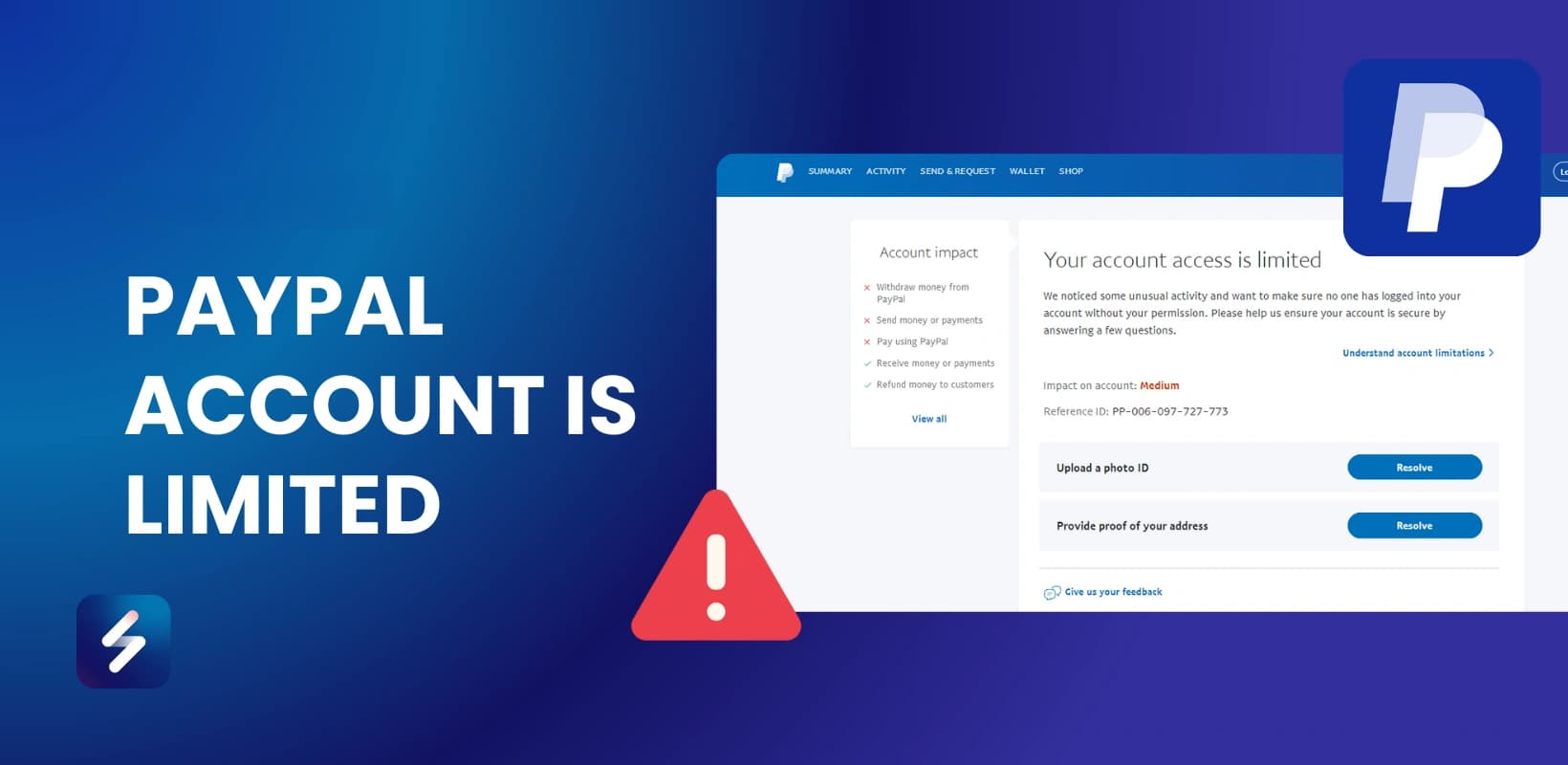
Can PayPal Receive Money in Nigeria? Yes, Here's How in 2026
Yes — since January 2026 PayPal payments can reach Nigeria through a linked Paga wallet. Here is exactly how to receive and withdraw yours in naira.
18 Sept 2025 · 7 min read

Provisional Tax in South Africa: What Freelancers and Side Hustlers Must Pay
Freelancers and side hustlers become SARS provisional taxpayers from the first rand earned, not after R30,000. Deadlines and penalties, checked Oct 2026.
21 Oct 2026 · 9 min read