OPay Account in Nigeria: How to Open One, Raise Your Limit and What OWealth Pays
OPay accounts are free to open, but real limits depend on your BVN or NIN. Here's how tiers, transfer fees, the debit card and OWealth savings work in 2026.


In this guide▾
Opening an OPay account costs nothing, and you can do it from your phone in a few minutes. A phone number alone barely gets you anywhere, though: real spending power only shows up once you link your Bank Verification Number (BVN) or National Identity Number (NIN).
Below is what changed this year: how tiers and limits work now, what a transfer really costs after Nigeria's new stamp duty rules, what the card and OWealth savings really offer, and the scams to watch for. Checked against OPay's own site and official Nigerian sources in October 2026.
Quick facts
| What | Detail |
|---|---|
| Cost to open | Free, no minimum deposit |
| Who runs it | OPay Digital Services Limited (formerly Paycom Nigeria Limited), licensed by the CBN as a Mobile Money Operator (CBN PSP list) |
| What you need | Phone number to start; BVN or NIN to transact properly |
| OPay-to-OPay transfers | Free |
| Transfers to other banks | Free, but a ₦50 stamp duty now applies to transfers of ₦10,000 and above |
| Debit card | Issued at agent locations or via the app; zero maintenance fee on an active card (OPay) |
| OWealth | Daily interest, free deposits and withdrawals any time; rate shown in-app, not fixed or published |
How to open an OPay account
- Download the OPay app from the Play Store or App Store.
- Sign up with your phone number and confirm the OTP sent to it.
- Set a transaction PIN.
- Add your BVN or your NIN when the app asks. This is the step that opens the account up: without it, you're stuck on the lowest tier and most of the app's features stay greyed out.
- Your wallet and virtual card are ready straight away. A physical card can be requested in-app or picked up instantly at a nearby OPay agent.
If you don't have a BVN yet, sort that out first. Our guide on how to check and get a BVN in Nigeria covers the dial codes and bank branch options. No BVN but you do have a NIN? See NIN registration in Nigeria for what it costs and how long it takes.
If you're setting up money basics beyond this one account, our Nigeria hub rounds up our guides on tax, saving and getting paid.
OPay account tiers and limits, explained
OPay, like every Nigerian bank and fintech, grades what you can do by how much identity information it has on you. The structure follows a Central Bank of Nigeria directive: accounts not linked to a BVN or NIN by April 2024 were to be frozen, and every tier now needs one of the two (Techpoint Africa).
In practice, it works like this:
- Phone number only. You can sign up and poke around the app, but you can barely move money. This level is being phased out across the industry.
- BVN or NIN linked. This is the realistic starting point for most people. Your daily transfer limit and the maximum balance you can hold both jump, enough for most personal spending and saving.
- Full verification (the other of BVN/NIN, plus extra details OPay asks for, such as proof of address). This tier removes most of the day-to-day limits and is worth doing if you run a shop, freelance, or move larger amounts regularly.
OPay doesn't publish the exact naira figures for each tier on its website, and the numbers quoted in various blog posts don't agree with each other, so treat any specific figure you see elsewhere with caution. Your own limit is shown clearly inside the app under Account Limits, and it updates the moment you add a missing BVN or NIN. Say you're a trader in Onitsha who signed up with just a phone number: the first thing worth doing before a busy market day is linking your BVN, since that alone usually lifts you out of the lowest tier immediately.
What an OPay transfer costs now
OPay advertises transfers to other Nigerian banks as free, same as sending OPay-to-OPay (OPay). What changed in 2026 isn't OPay's own fee, it's a government charge that sits on top of it.
Under the Nigeria Tax Act 2025, effective 1 January 2026, a flat ₦50 stamp duty now applies to every electronic transfer of ₦10,000 or more, and the sender pays it instead of the receiver, as was the case before (Leadership). So if you send a supplier ₦25,000 through OPay, expect ₦50 added on top, not deducted from what lands in their account. Transfers below ₦10,000, salary payments and transfers between your own accounts at the same institution are exempt.
If you're comparing OPay to another fintech wallet, Moniepoint's personal account uses the same tiered limit structure and is now subject to the same stamp duty, so the real difference between the two usually comes down to agent network and app reliability rather than fees.
OPay debit card: what it costs
You can get an OPay card two ways: instantly at a nearby OPay agent kiosk, or by requesting one in the app for delivery. OPay's own help page doesn't publish a naira price for either route, so confirm the exact cost shown to you in-app before you commit, since it can vary by request method.
What is confirmed is that an active OPay card carries zero maintenance fee (OPay). Card management, including changing your PIN, setting spending limits and blocking or unblocking the card, happens inside the app. You can also block a lost card instantly by dialling 955*131# or 955*132# from the phone number linked to your account, which is worth saving in your contacts before you ever need it.
OWealth and OPay's other savings tools
OWealth is OPay's flexible savings product, powered by OPay Microfinance Bank Limited rather than the main OPay wallet entity. It pays daily interest, and you can deposit or withdraw at any time without losing what you've already earned. OPay doesn't publish a fixed annual rate for it anywhere on its website; the figure shown in-app has moved over time and sometimes runs promotional campaigns with a higher rate for a limited period, so check the rate displayed to you before you rely on it.
Beyond OWealth, OPay offers a few other savings options worth knowing about:
- Fixed Savings, where you lock funds away for at least 7 days for a higher return than OWealth pays, but breaking it early typically costs you the interest you've built up.
- Target Savings, for a specific goal, with daily, weekly or monthly contributions.
- SafeBox, a stricter plan with limited withdrawals, meant for money you don't want to touch at all.
- Spend & Save, which automatically saves a percentage of what you spend and pays daily returns on it.
Say you keep ₦50,000 moving through OWealth between supplier payments rather than letting it sit idle in your main wallet: it still earns daily interest even if you withdraw some of it the same afternoon. If you want a rate you can pin down and compare in writing, it's worth setting the balance you're not touching soon against Nigeria's best money market funds instead, since those publish their current yield. If you're a freelancer routing dollar income through Nigeria first, see how to move Payoneer funds into a Nigerian bank account before deciding where the naira lands.
Is OPay a bank, and is my money safe?
No, OPay itself isn't a deposit money bank. The wallet is run by OPay Digital Services Limited, licensed by the Central Bank of Nigeria as a Mobile Money Operator, confirmed on the CBN's own list of licensed payment service providers (CBN). Its savings products, including OWealth, sit under a separate, related entity, OPay Microfinance Bank Limited. That's a normal structure for Nigerian fintechs and doesn't by itself make OPay riskier than a bank, but it does mean the two products can have different terms, so don't assume your wallet balance and your OWealth balance are protected in exactly the same way.
Mistakes and scams to watch out for
Fake "OPay is shutting down" notices. In August 2026, a forged document claiming OPay would halt operations from 1 September spread widely on social media and pushed some customers to withdraw their money in a panic. OPay reported it to the police, who arrested a suspect on 4 September 2026 and confirmed the notice was fabricated (Nairametrics). If you see anything like this again, check OPay's official app or verified social accounts before you act, not a forwarded screenshot.
Never share your OTP or PIN with anyone, even someone who claims to be OPay staff. Legitimate OPay support will never ask you to read out the one-time code sent to your phone. If a caller does, hang up.
Don't skip linking your BVN or NIN and hope for the best. Accounts without one risk being restricted, and you'll find out at the worst possible moment, usually mid-transaction.
Watch promotional savings rates closely. A headline interest rate on OWealth or a savings campaign often applies only to a capped amount or a limited window. Read the terms for that specific plan before you move a large sum in expecting the same rate to apply to all of it.
Frequently asked questions
Does OPay require a BVN to open an account?
You can download the app and sign up with just a phone number, but you'll barely be able to transact. A CBN directive requires every OPay tier to be linked to a BVN or NIN, and accounts without one risk being restricted, so plan to add yours during sign-up.
Can I use OPay with only a NIN and no BVN?
Yes. OPay accepts either your BVN or your NIN to move you off the lowest, phone-only tier. Adding both eventually gets you the highest level of access.
How do I increase my OPay transfer limit?
Add whichever of your BVN or NIN you haven't already linked, and complete any extra verification OPay asks for, such as proof of address. Your limit updates in the app as soon as the extra detail is accepted, so check Account Limits after you submit it.
Does OPay charge for sending money to other banks?
OPay itself advertises these transfers as free. From 1 January 2026, a separate ₦50 government stamp duty applies to any transfer of ₦10,000 or more, paid by the sender, on top of whatever OPay charges.
Is OPay safe to keep money in?
OPay is licensed by the Central Bank of Nigeria as a Mobile Money Operator, which is a recognised, regulated category. It isn't a deposit money bank itself, and its savings products run through a separate licensed microfinance bank entity, so read the terms of each product rather than assuming they're identical.
What interest rate does OWealth pay?
OPay doesn't publish a single, fixed annual rate on its website. It advertises daily interest with free, unrestricted withdrawals, but the actual rate shown in-app has changed over time and sometimes rises temporarily during savings campaigns. Check the rate shown to you in the app rather than a number from an old article.
Keep reading
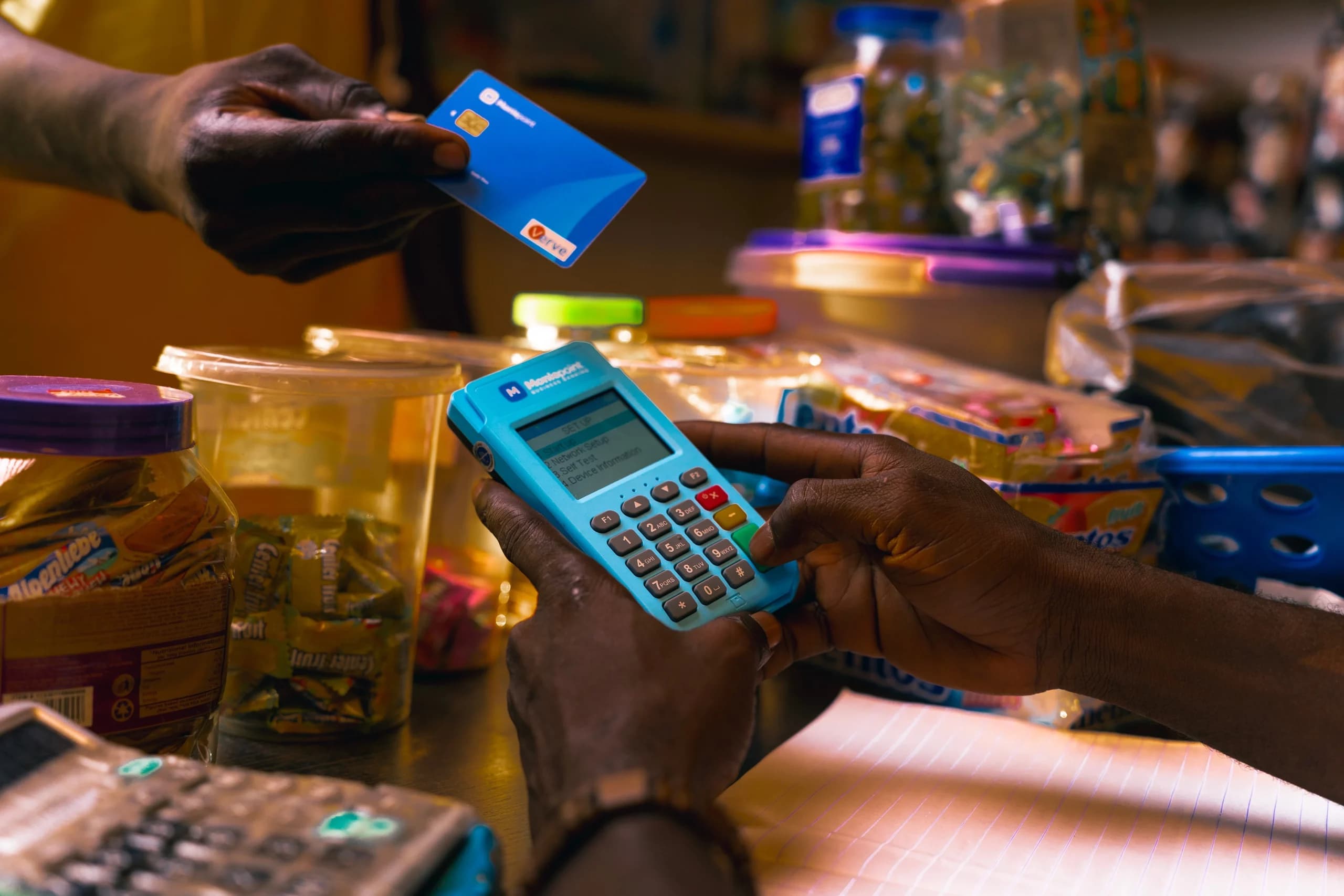
Moniepoint Personal Account: How to Open It, Charges and USSD Codes in 2026
Moniepoint accounts are free to open with just a BVN or NIN. Since January 2026, transfers over ₦10,000 also carry a ₦50 stamp duty and 7.5% VAT.
25 Oct 2026 · 6 min read

NRS Rev360 Portal: How to Register and Log In (2026)
Rev360 replaced TaxPro Max on 30 April 2026. How existing NRS taxpayers log in, how new taxpayers register, and what to do if your email never arrives.
21 Oct 2026 · 6 min read

Best Loan Apps in Nigeria (2026): How to Check They're FCCPC-Licensed
FCCPC lists 525 licensed loan apps in Nigeria and 112 on its watchlist. How to check any app, what loans cost, and how to report harassment, as of Oct 2026.
15 Oct 2026 · 7 min read