The Best Businesses to Start in Uganda With Low Capital (2026)
Starting a business in Uganda does not need millions. See what mobile money, boda boda, poultry and other low-capital businesses really cost to start in 2026.

In this guide▾
- What it takes to start, at a glance
- How much do you need to become a mobile money agent in Uganda?
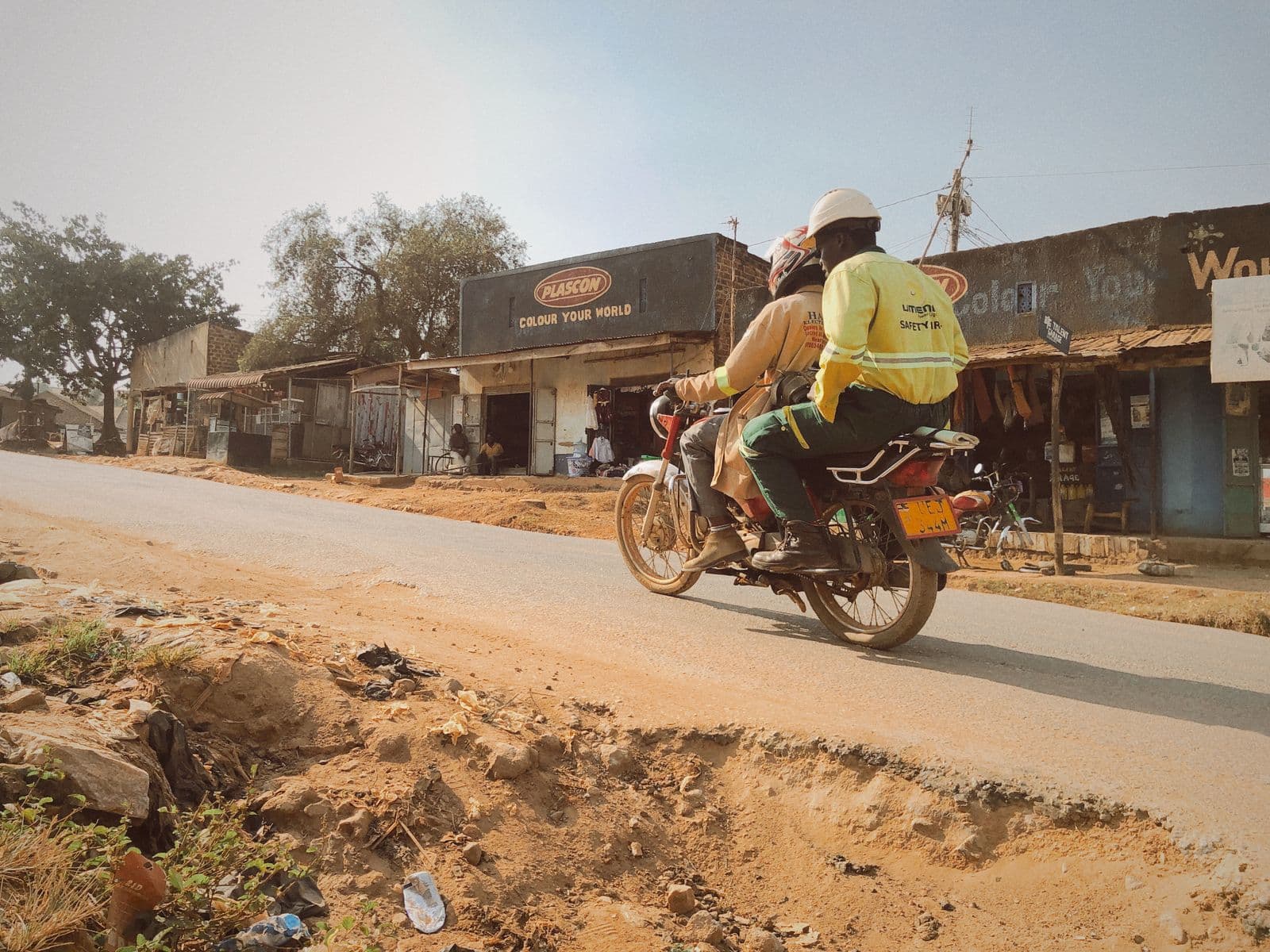
- What does a boda boda really cost to start now?
- Can you start poultry farming with UGX 5 million in Uganda?
- Is second-hand clothes trading still profitable in Uganda?
- What about a printing and stationery shop near a school?
- What if you have no capital at all?
- What registering and licensing actually costs
- Mistakes that eat your capital before you open
- Frequently asked questions
You don't need millions of shillings to start a business in Uganda. A mobile money agency needs about UGX 200,000 in float, and a second-hand clothes stall can start around UGX 5 million. The gap between businesses is bigger than most people think, so pick on real numbers, not hype.
Below are six low-capital businesses people are actually starting in Uganda right now, what each really costs as of October 2026, and where the hidden costs hide. Prices move, so treat these as a starting budget and confirm the current figure before you commit your savings.
What it takes to start, at a glance
| Business | Typical starting capital | Main licence or permit cost | What the money buys |
|---|---|---|---|
| Mobile money agency | From UGX 200,000 | Business name UGX 90,000 | Float and cash to serve customers |
| Boda boda (electric) | From UGX 600,000 deposit | Riding permit, insurance | Deposit on a financed motorcycle |
| Small-scale poultry | From UGX 5,000,000 | UNBS Q-Mark if selling packaged eggs/meat | Chicks, structure, feed |
| Second-hand clothes | From UGX 5,000,000 | KCCA trading licence | A bale of stock, stall rent |
| Printing and stationery | From UGX 5,000,000 | KCCA trading licence | Second-hand printer, computer |
| Freelance/digital work | From UGX 0 | None to start | Your time and a smartphone or laptop |
How much do you need to become a mobile money agent in Uganda?
MTN's own agent page puts the minimum at UGX 200,000 in working capital, enough to buy float and keep cash on hand to pay out customers. That's not a franchise fee: MTN doesn't sell agent lines over the counter, it issues the SIM after approving your documents (MTN Uganda, MoMo Agent, checked October 2026).
You'll also need a National ID, an original business licence and a certificate of incorporation or business permit, which means registering with URSB first. Airtel doesn't publish the same checklist, so visit an Airtel Uganda shop with your documents and ask what they currently require.
Be careful of anyone offering to sell you an "agent line" for UGX 60,000 to 600,000. Neither network sells lines that way; those prices come from resellers, not MTN or Airtel. For the full breakdown of float, commissions and a worked profit example, see our MTN and Airtel mobile money agent guide for Uganda. If you'll also be sending customer transfers, our Uganda mobile money charges calculator works out the fee for any amount so you quote it correctly.
Urban stages are already crowded with agents. A trading centre on the edge of town or a growing estate with no agent nearby beats fighting for space outside a busy Kampala shopping mall.
What does a boda boda really cost to start now?
Expect to put down at least UGX 600,000 and commit to weekly payments if you finance an electric motorcycle, or find UGX 3.5 to 4.5 million in cash for a petrol one. Either way, a boda boda is a loan commitment more than a one-off purchase for most riders.
Zembo and Spiro, Uganda's two electric boda boda financiers, both sell their bikes on a pay-as-you-go basis rather than cash upfront. Zembo's Thunder is priced at UGX 4,350,000, with a UGX 600,000 deposit and weekly payments of UGX 69,109 over 24 months. Spiro's Ekon is priced at UGX 4,850,000, also with a UGX 600,000 deposit, at UGX 63,545 a week over 24 months (Zembo electric boda loan, checked October 2026).
Do the maths before you sign: Zembo's 24-month plan works out to roughly UGX 7.2 million in weekly payments on top of the UGX 600,000 deposit, against a cash price of UGX 4.35 million. You're paying close to double over two years for the convenience of spreading the cost. Both include free battery swaps worth UGX 100,000.
A conventional petrol motorcycle such as a Bajaj Boxer is commonly quoted around UGX 3.5 to 4.5 million in Uganda, though dealer prices vary and we couldn't confirm a current official price list, so get a written quote before you commit. On top of the bike, budget for a riding permit, third-party insurance, a reflector jacket and registration at your local stage or association.
Can you start poultry farming with UGX 5 million in Uganda?
Yes, for a small broiler batch. Daily Monitor costed a starter poultry business at Shs 5 million in late 2024: about 200 day-old chicks, a basic rearing structure, and feed for the first few months, with broilers ready to sell in six to eight weeks (Daily Monitor, "businesses you can start with Shs5 million", December 2024; treat as a 2024 starting budget and confirm current chick and feed prices before you buy).
The real risk isn't the capital, it's disease. Newcastle disease can wipe out an entire flock in days, so vaccination, clean water and a reliable buyer lined up before the birds are ready matter more than the size of your shed. Mixing your own feed instead of buying commercial feed cuts your biggest recurring cost; see our kienyeji chicken feed formulation guide for ratios that work for Uganda, Kenya and Tanzania.
If you'll sell packaged eggs or dressed chicken rather than live birds, budget separately for UNBS certification: the Micro and Small Enterprise category pays UGX 500,000 a year for the Q-Mark permit, per product (UNBS Policy on Certification Fees, checked October 2026).
Is second-hand clothes trading still profitable in Uganda?
It still is, and the entry cost is low: Daily Monitor put a "bend-down boutique" startup at about Shs 5 million in December 2024, covering one good bale of second-hand clothes plus rent for a small stall in a busy market. Location matters more than stock here. A stall at a market everyone already passes through beats a bigger stock in a quiet corner.
The one risk worth knowing: Uganda's government has repeatedly discussed restricting second-hand clothing imports to protect local textile manufacturing, most recently reported by the Daily Monitor in its coverage of the trade's economics. Nothing has passed into law so far, but if it did, the cost of your stock would change overnight, so don't sink your whole savings into one giant bale.
What about a printing and stationery shop near a school?
A second-hand printer, a computer and basic stationery can get you going for around Shs 5 million, according to the same Daily Monitor roundup. Pick a spot near a school, college or office block: demand peaks every school term and exam season, and falls off hard during long holidays, so keep a side-income or buffer for the quiet months.
Competition is the main risk here, not capital. Print shops cluster around the same institutions, so price and turnaround time decide who gets repeat customers, not who has the newest machine.
What if you have no capital at all?
Freelancing and other digital work need no stock, no stall and no licence to start, just a skill, a smartphone or laptop, and a way to get paid. Writing, graphic design, virtual assistance, data entry and social media management are the entry points most beginners in Uganda use, and all of them can be learned free or cheaply online. See our guides on starting freelancing with no experience and the remote jobs Africans are getting into in 2026 for where to find paying clients.
The trade-off is time, not money: expect weeks or months of pitching before the first paid job, and clients abroad often pay in dollars through Payoneer or Wise rather than mobile money directly.
What registering and licensing actually costs
Whatever you pick, two separate costs apply once you're trading from a fixed spot. Registering a business name with URSB online costs UGX 90,000 in total (a UGX 35,000 name reservation plus UGX 55,000 registration); see our URSB registration guide for the full steps.
If you trade from Kampala, KCCA also charges an annual trading licence on top of URSB registration, and the rate depends on your business type and grade. KCCA's own published rates include UGX 6,000 to 30,000 a year for a kiosk, UGX 31,500 to 84,000 for a general retailer, and UGX 18,000 to 45,000 for a small cottage industry, depending on grade (KCCA, Revised Trading Licence Rates, checked October 2026). Outside Kampala, your local town or municipal council charges its own trading licence fee; ask at the council office before you open.
Mistakes that eat your capital before you open
Budgeting for registration but not the licence. URSB's UGX 90,000 covers the business name only. Add KCCA's or your local council's trading licence, and a UNBS permit if you're selling packaged food, before you count your remaining capital as stock money.
Financing a boda boda without comparing it to the cash price. As shown above, Zembo's 24-month plan costs close to double the cash price of the bike once you add up every weekly payment. That's not a reason to avoid financing, since most riders can't raise UGX 4.35 million upfront, but know the real total before you sign.
Chasing a saturated spot because it's convenient. Mobile money agencies and print shops both cluster around the same busy junctions and institutions. A less convenient location with less competition usually out-earns a crowded one.
Buying an "agent line" from a reseller. Neither MTN nor Airtel sells mobile money agent lines through third parties. If someone offers you one for a fee, you're being sold something that doesn't exist on the network's terms.
Frequently asked questions
What's the cheapest business to start in Uganda right now?
Freelance or digital work needs no capital beyond a smartphone or laptop and data. Among physical businesses, mobile money agency is the cheapest at around UGX 200,000, since MTN's minimum is working capital, not a licence fee.
Do I need to register my business before I start?
For a mobile money agency, yes: MTN and URSB both require proof of registration before approval. For a market stall or kiosk, you can often start trading informally, but you'll need a trading licence from KCCA or your local council once you're established at a fixed spot, and registering early avoids a fine later.
How much capital do I need to become a mobile money agent in Uganda?
MTN's own page states a minimum of UGX 200,000 in working capital to buy float and keep cash for customers withdrawing money. Airtel doesn't publish a minimum; ask at an Airtel Uganda shop.
Is boda boda still a good business in Uganda?
It can be, but go in with your eyes open on the real cost. Financed electric bikes from Zembo or Spiro need a UGX 600,000 deposit and roughly UGX 60,000 to 80,000 a week for up to 30 months, which adds up to well over the bike's cash price. A petrol bike bought outright avoids that markup but needs more capital upfront.
Which low-capital business needs a UNBS permit?
Any business selling packaged food products, including eggs, dressed poultry or baked goods, needs a UNBS Q-Mark permit to put those products on the market. Micro and small enterprises pay UGX 500,000 a year per product.
Can I start a business in Uganda with no capital at all?
Yes, through freelancing or other online work: writing, design, virtual assistance and similar digital skills need no stock or stall, only a device, internet access and a way to get paid from clients, often abroad.
Keep reading

How to Register a Business in Uganda With URSB: Cost and Steps (2026)
Registering a business with URSB online costs UGX 90,000 for a business name and from UGX 140,000 for a company, as of October 2026. Full steps and fees.
27 Oct 2026 · 8 min read
Pig Feed Formulation in Kenya: Creep, Weaner, Grower and Finisher Feed
What goes into balanced pig feed at every stage (creep, weaner, grower, finisher and sows) from Kenyan ingredients, what pigs need at each stage, how much they eat, and whether home mixing pays.
20 Oct 2026 · 4 min read
How to Make Dairy Meal at Home in Kenya: 16% Mix and Feeding Guide
How to make dairy meal at home: the ingredients for a balanced 16% mix and a high-yielder version, the standards from KALRO and ILRI, and how much to feed per litre of milk.
20 Oct 2026 · 4 min read