How to Make Dairy Meal at Home in Kenya: 16% Mix and Feeding Guide
How to make dairy meal at home: the ingredients for a balanced 16% mix and a high-yielder version, the standards from KALRO and ILRI, and how much to feed per litre of milk.

In this guide▾
To make dairy meal at home in Kenya, mix an energy feed (maize germ, wheat bran or pollard) with a protein feed (cotton seed cake, sunflower cake or soybean meal) so the mix reaches about 16% crude protein, then add a dairy mineral and salt. With common Kenyan ingredients, maize germ carries most of the bag, wheat bran fills in, and cotton seed cake brings the protein up.
Feed about 1 kg of dairy meal for every 2–3 litres of milk above what her forage supports. Our dairy meal formulation calculator works out the cheapest balanced mix from the ingredients you can get, and how much to feed for your cow's yield; the exact recipe and PDF unlock with M-Pesa.
What makes a good dairy meal?
| Dairy meal | High-yielder meal | Calf starter | |
|---|---|---|---|
| Crude protein | 16–19% | 18–21% | 18–22% |
| Energy | at least 10.5 MJ/kg | at least 11 MJ/kg | at least 11 MJ/kg |
| Crude fibre | at most 12% | at most 10% | at most 8% |
| Fat | at most 7% | at most 7% | at most 6% |
These follow KALRO's cattle ration training manual, which puts dairy meal at 16.5% crude protein and high-yielder meal at 18% (of dry matter) with 12 MJ/kg, and ILRI's guide to homemade dairy concentrates, which gives 15–18% for commercial dairy meal.
Everyday dairy meal
Worked out at typical Nairobi ingredient prices (October 2026), the cheapest balanced 16% meal leans mostly on maize germ, fills in with wheat bran and uses just enough cotton seed cake to reach the protein target, with a dairy mineral and salt. It meets the energy and fibre limits too, which is where most home mixes fail.
High-yielder dairy meal
For cows giving more than about 15 litres a day, or in early lactation, aim for 18% crude protein and a little more energy. That means pushing the protein feed up and cutting the bran almost out, so the bag is mostly germ and cake. The exact split for your ingredients is in the calculator.
The KALRO two-ingredient method
If you only have maize germ and cotton seed cake, KALRO's manual shows the Pearson square: you balance the protein of the cake against the protein of the germ to land on 16%. It's a good rule of thumb, but it balances protein only. The calculator also checks energy, fibre and fat, and uses every ingredient you have.
How much dairy meal should a cow get?
ILRI's rule: about 1 kg for every 2–3 litres of milk above what her forage alone supports.
| Forage | Milk forage supports on its own | Cow giving 15 litres: dairy meal a day |
|---|---|---|
| Poor (dry stover) | very little | about 6 kg |
| Medium (Napier, hay) | about 4 litres | about 4.5 kg |
| Good (fresh Napier with legumes) | about 7 litres | about 3 kg |
- Split it into two or more feeds, at milking.
- Change from bought feed to your own over 7–10 days.
- Give clean water all day: a milking cow drinks 60–100 litres.
Is it cheaper to make your own dairy meal?
Often not, if you buy everything at retail. Nairobi price lists in 2026 put a 70 kg bag of dairy meal at about KES 2,300–2,800, and when we priced a balanced home mix from retail ingredients it came out dearer per kilo than the bag. ILRI's guide says farmers can save over 30% by mixing their own from cheaper local ingredients, and it pays when you:
- grow maize or buy germ and bran straight from the miller;
- have a local source of cotton seed or sunflower cake;
- need a high-yielder meal, which costs more to buy.
The other reason is quality: you know the protein is really there. Kenya's Veterinary Policy 2020 calls substandard feeds "a major constraint" on productivity (Competition Authority of Kenya, 2024).
What never to put in dairy meal
- Bone meal or meat and bone meal. Kenyan regulations (2001) ban ruminant meat and bone products in cattle feed.
- Mouldy ingredients. Aflatoxin passes into the milk.
- Urea, unless an expert designs the ration. Too much is fatal.
Frequently asked questions
What are the ingredients for making dairy meal?
Maize germ, wheat bran or pollard for energy; cotton seed cake, sunflower cake or soybean meal for protein; and a dairy mineral plus salt.
What is the ratio for making dairy meal?
For 16% dairy meal, mostly maize germ with a smaller share of cotton seed cake, plus wheat bran if you have it, a dairy mineral and salt. The right ratio shifts with your ingredients' protein and prices; the calculator gives the exact kilos for a 70 kg bag.
How do I make high-yield dairy meal?
Raise the protein feed so the mix reaches about 18% crude protein, and cut the bran so energy stays up. The calculator balances both.
Can I use sunflower cake instead of cotton seed cake?
Yes. Sunflower cake has a little less protein and more fibre, so you need slightly more of it. The calculator works out the exact amounts.
Where can I get a dairy meal formulation PDF?
Our dairy meal formulation calculator builds the formula for your ingredients and prices and gives you a PDF to print or share. Thinking of starting a dairy? See our agribusiness ideas for young Africans.
Keep reading
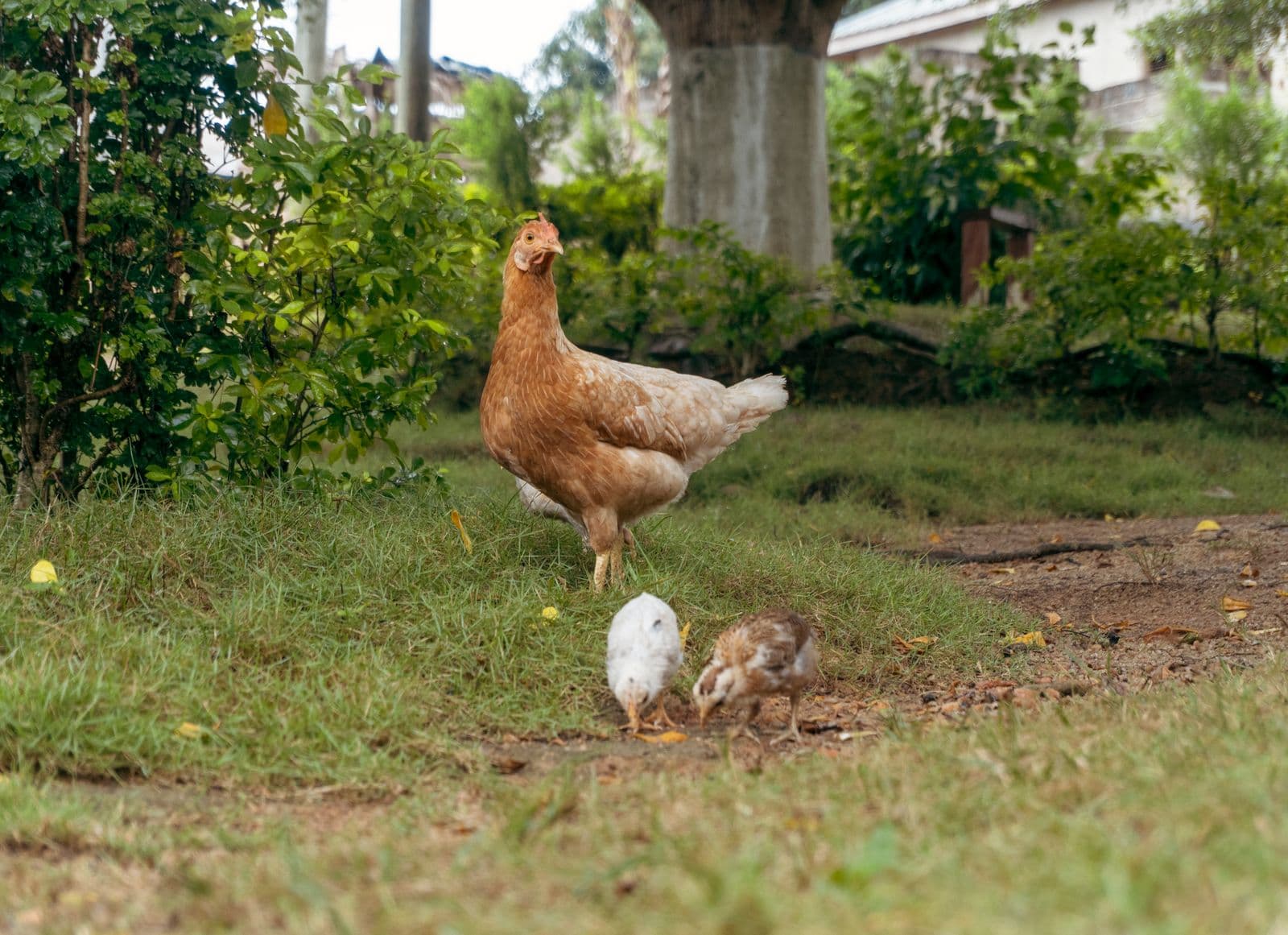
Kienyeji Chicken Feed Formulation: A Guide for Growers and Layers
What goes into balanced feed for improved kienyeji chickens (growers and layers) from Kenyan ingredients, the protein they need according to Kenyan research, and how much to feed free-range birds.
20 Oct 2026 · 4 min read
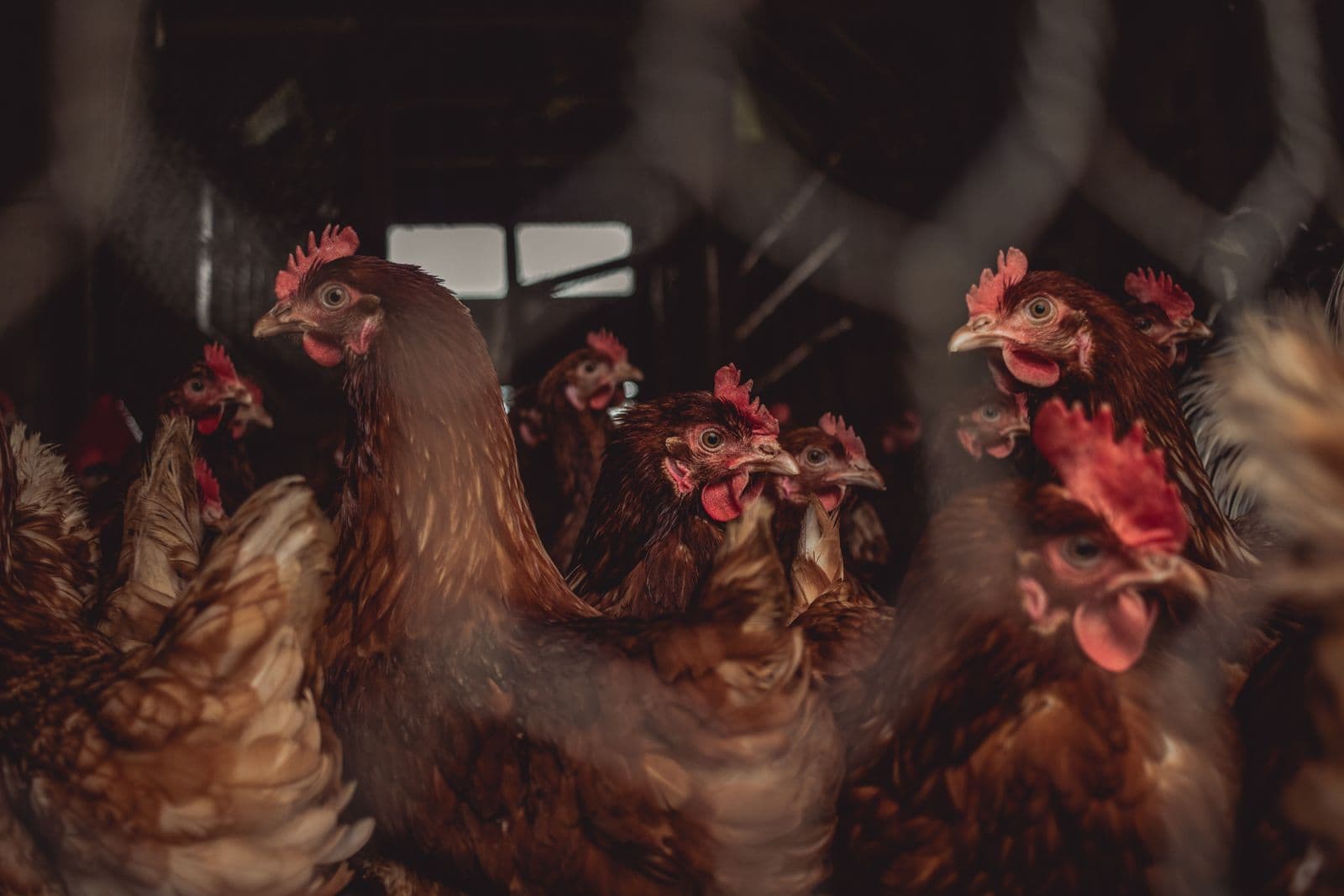
Layers Mash Formula: How to Make Layers Feed at Home in Kenya
What goes into a balanced layers mash from Kenyan ingredients, the nutrient targets layers need, chick and growers mash, how to mix it, and whether it is cheaper than shop feed.
20 Oct 2026 · 5 min read
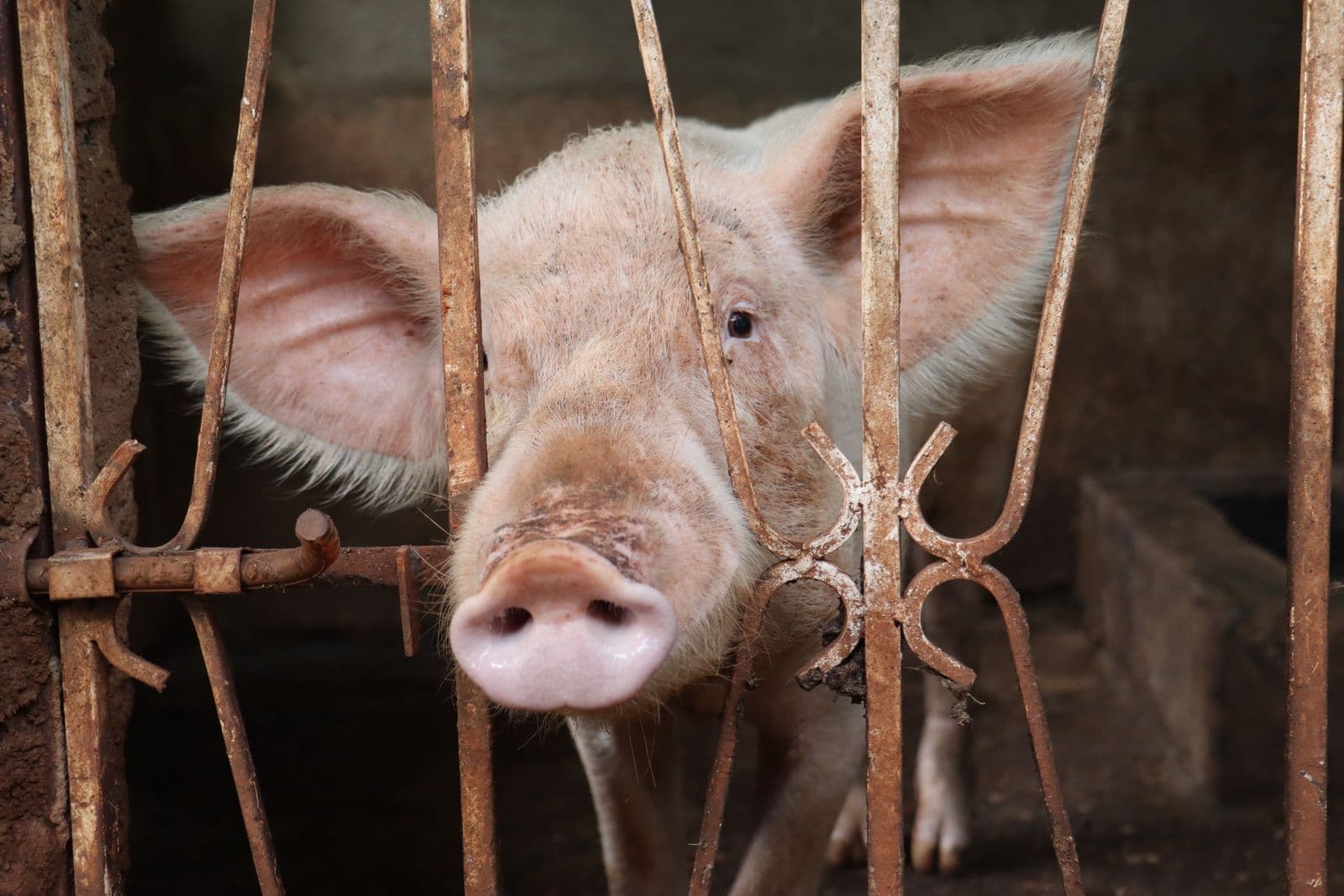
Pig Feed Formulation in Kenya: Creep, Weaner, Grower and Finisher Feed
What goes into balanced pig feed at every stage (creep, weaner, grower, finisher and sows) from Kenyan ingredients, what pigs need at each stage, how much they eat, and whether home mixing pays.
20 Oct 2026 · 4 min read