Liquor Licence in Kenya: Fees, Requirements and Rules for Starting an Alcohol Business
A liquor licence in Kenya costs from KES 24,000 a year for a wines and spirits shop and KES 50,000 for a bar. See the types, the documents and the rules.

In this guide▾
A wines and spirits shop looks like one of the simplest businesses to open in Kenya: rent a room, stock the shelves, sell. Then the county closes it in the second month because the licence was never approved for that building. A liquor licence in Kenya costs from about KES 20,000 to KES 100,000 a year depending on the type, and the location is approved before the business, not after.
Counties issue the licences, so fees and small rules differ between Nairobi, Kiambu, Mombasa and the rest. The national law sets the frame they all work inside.
| Type of licence | Standard yearly fee | When you may sell |
|---|---|---|
| Bar or pub (general retail, on-licence) | KES 50,000 | 5pm–11pm weekdays, 2pm–11pm weekends and public holidays |
| Wines and spirits shop (general retail, off-licence) | KES 24,000 | 5pm–8.30pm weekdays, 2pm–8.30pm weekends and public holidays. Take-away only |
| Wholesale | KES 50,000 | Any time, but only in bulk to retailers |
| Depot | KES 20,000 | Any time |
| Distributor | KES 50,000 | Any time |
| Restaurant | KES 30,000 | Any day, only to people having a meal |
| Hotel | KES 50,000 | Any time, to residents only |
| Members' club | KES 100,000 | Any time, to members only |
| Proprietary club (night club) | KES 100,000 | 7pm–3am |
Sources: the government's schedule of alcoholic drinks licence categories, fees and conditions and NACADA's guidelines for implementing the Alcoholic Drinks Control Act, checked November 2026. Your county's own Finance Act can set different fees.
How much is a liquor licence in Kenya?
The standard yearly fee is KES 24,000 for a wines and spirits shop and KES 50,000 for a bar, with KES 30,000 for a restaurant and KES 100,000 for a club. Each county can change these in its yearly Finance Act, so confirm the figure with your sub-county alcoholic drinks office before you budget.
Nairobi is the example to watch. Under its Finance Act for 2026, bars are now charged by size:
| Nairobi bar size | Yearly licence fee | Was |
|---|---|---|
| Small bar, up to 30 customers | KES 25,000 | KES 100,000 |
| Medium bar, 31–100 customers | KES 35,000 | KES 100,000 |
The governor confirmed the new rates on 11 November 2026. Bigger venues, restaurants, hotels, clubs and wines and spirits shops sit under other categories. Nairobi takes applications and renewals online through its LiquorPay portal.
The licence fee is only one of the costs. You still pay for the county business permit and the public health and safety clearances.
Which licence do you need?
Pick the licence by how the customer takes the drink, not by what you call the business.
- They drink it on your premises: a bar or pub licence.
- They carry it away sealed: a wines and spirits (off-licence) licence. Nobody may drink inside or outside the shop.
- They drink it with food: a restaurant licence. Selling drinks to someone who is not eating breaks it.
- You sell cartons to other businesses: a wholesale or distributor licence. Selling single bottles to the public breaks it.
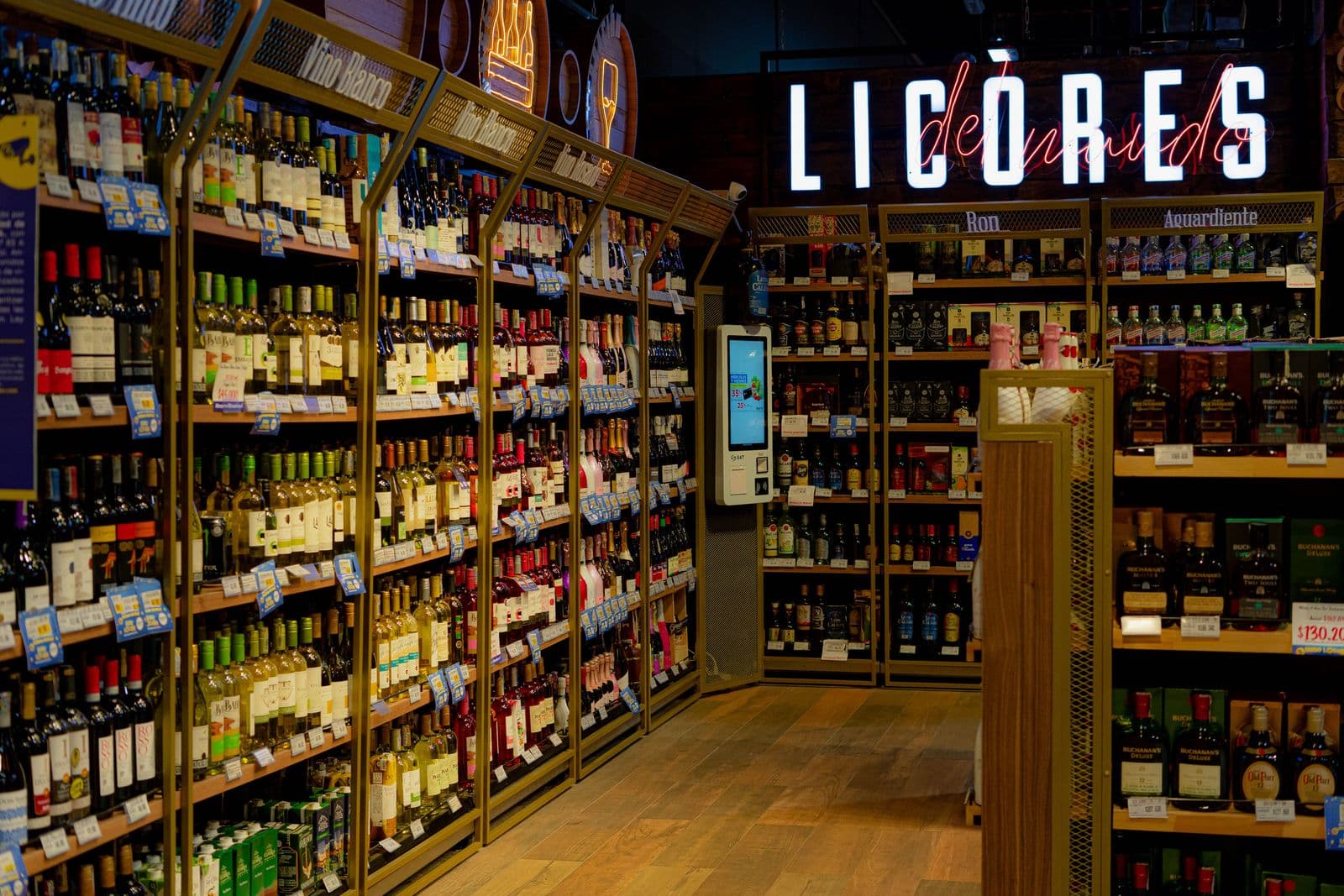
- You sell in a supermarket: the alcohol must be in a separate, sealed-off section with its own till, so that under-18s cannot reach it.
- You make or import the drink: a manufacturer's or importer's licence, with approvals from the Kenya Bureau of Standards (KEBS) and the Kenya Revenue Authority (KRA).
Running a bar on a wines and spirits licence is the most common way owners lose both the licence and the stock.
What do you need to apply?
For a retail licence, NACADA's guidelines list these documents:
- The application form
- Your ID or passport, or the certificate of registration or incorporation for a business
- KRA PIN certificate, for you and for each director
- VAT certificate from KRA, where you are registered for VAT
- A public health certificate or inspection approval for the premises
- The names of the people who will manage the business day to day
- A sketch map and the physical address: area, building and plot number
- For a renewal, the original licence and a copy
- For night clubs and discos, a noise certificate from the National Environment Management Authority (NEMA)
Wholesalers and distributors also show their business permit. Importers add a list of products and brands with KEBS certificates of conformity.
If you have not registered the business yet, start with our guide to registering a business name on eCitizen, and get your KRA PIN in order.
How do you apply for a liquor licence?
- Ask before you rent. Write to the alcoholic drinks committee for your sub-county saying what you want to open and where. The guidelines tell applicants to get this clearance before taking premises or a business permit, so that you don't pay rent on a place that can never be licensed.
- Wait for the reports. The committee asks for three written reports on the premises: from the police, from public health and from the county. It also gives notice so that neighbours can object.
- Get the other approvals. Once the committee says the location is acceptable, get the county business permit and the public health certificate.
- Make the formal application and pay the fee.
- Pass the inspection and display the licence where customers and officers can see it.
- Renew every year. A licence that has run out is treated as no licence.
Where can't you open an alcohol business?
The committee can refuse a location even when your papers are perfect. It looks at:
- Schools. Distance from nursery, primary and secondary schools and other places of learning for under-18s. The working rule is 300 metres.
- Homes. A place where people live cannot be licensed for drinking on the premises, and a factory cannot be licensed in a residential area.
- Churches, mosques and health facilities nearby.
- How many outlets the area already has.
- Peace and order in the neighbourhood, and what residents say.
Measure the distance to the nearest school gate yourself before you sign a lease. Landlords rarely do.
What are you not allowed to do?
| Rule | What it means in the shop |
|---|---|
| No one under 18 | They may not be sold alcohol or allowed into the area where it is sold, stored or drunk |
| No sachets | Alcohol may not be made, packed or sold in sachets |
| Nothing under 250 ml | Containers smaller than 250 millilitres are banned |
| Glass only for spirits like chang'aa | Distilled drinks of that kind must be in glass bottles |
| No vending machines | Alcohol cannot be sold by machine |
| Labels | Every drink must show what it contains and carry the health warnings |
| Sell only what your licence covers | Hours, type of customer and take-away or on-premises all count |
| No look-alike products for children | Sweets, snacks and toys that imitate alcoholic drinks are banned |
Break these and you face a fine or jail under your county's Act, and the committee can cancel the licence. Unlabelled or counterfeit stock is seized. Buy only from licensed distributors and keep every invoice.
The tax side
An alcohol business is watched by KRA as well as the county. Keep receipts through eTIMS, and have a tax compliance certificate ready, because some counties ask for one. Check that every bottle of spirits carries a KRA excise stamp. Stock without stamps is the fastest way to a raid.
Once sales pass KES 1 million a year, turnover tax applies, and at KES 5 million you must also register for VAT.
Mistakes that close alcohol businesses
Renting first, applying second. The location decides everything. Get the committee's view in writing before you pay a deposit.
Buying someone's "running" bar and assuming the licence comes with it. The licence belongs to a person and a premises. Have the transfer approved before you pay for goodwill.
Opening early. A bar that serves at noon on a weekday is outside its licence. Officers know which hours to visit.
Letting customers drink at a wines and spirits shop. Benches outside the door count.
Paying a broker for a "guaranteed" licence. The committee decides after reports and objections. Nobody can promise the result, and fees are paid to the county, not to a person.
Forgetting renewal. Diary it two months ahead. Renewal usually needs a fresh health clearance, and that takes time.
Frequently asked questions
How much is a wines and spirits licence in Kenya?
The standard fee is KES 24,000 a year for a retail off-licence. Your county may charge more or less, and you pay for the business permit and health clearance on top.
Can I sell alcohol from my house or a residential plot?
Not for drinking on the premises. NACADA's guidelines say premises that are also residential cannot be licensed for that, and committees look hard at any outlet inside a residential area.
What time do bars open in Kenya?
A standard bar licence allows sales from 5pm to 11pm on weekdays and from 2pm to 11pm on weekends and public holidays. Wines and spirits shops must stop at 8.30pm. Only night club licences run to 3am.
How far must a bar be from a school?
Committees apply a 300-metre rule from schools and other learning institutions for under-18s when they assess an application or a renewal.
Can a supermarket sell alcohol?
Yes, if the alcohol is sold in a completely separate, sealed-off area with its own point of sale, which under-18s cannot enter.
How long does a liquor licence last?
One year. It must be renewed before it runs out, with the original licence and updated clearances.
Keep reading
M-Pesa Paybill and Till Charges: What Businesses Pay
Lipa na M-Pesa till payments up to KES 500 are free for merchants since August 2026. Every till, paybill and payout charge a business pays.
19 Nov 2026 · 5 min read
Pig Feed Formulation in Kenya: Creep, Weaner, Grower and Finisher Feed
What goes into balanced pig feed at every stage (creep, weaner, grower, finisher and sows) from Kenyan ingredients, what pigs need at each stage, how much they eat, and whether home mixing pays.
20 Oct 2026 · 4 min read
How to Make Dairy Meal at Home in Kenya: 16% Mix and Feeding Guide
How to make dairy meal at home: the ingredients for a balanced 16% mix and a high-yielder version, the standards from KALRO and ILRI, and how much to feed per litre of milk.
20 Oct 2026 · 4 min read