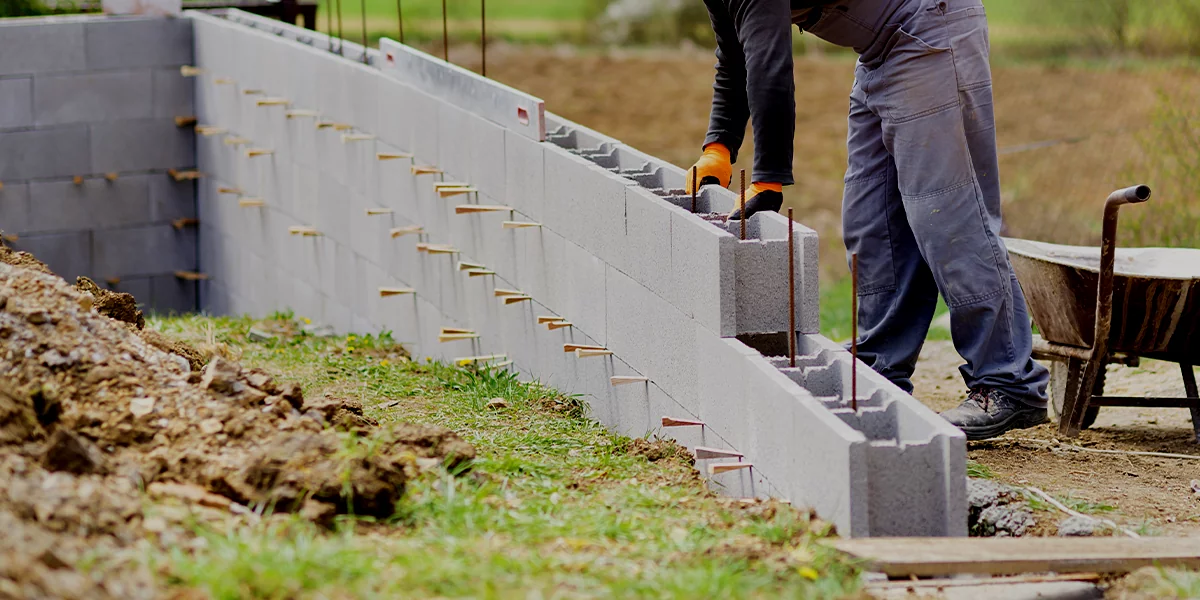
Perimeter wall construction in Kenya has become one of the most common real estate investments for homeowners, landlords, institutions, and businesses.
Whether you are constructing a boundary wall for security, privacy, or aesthetic appeal, understanding the construction process in Kenya, costs, and legal requirements is crucial.
This guide explains everything you need to know about perimeter wall construction in Kenya, from choosing materials to obtaining permits, budgeting, and finishing options.
Why Perimeter Walls Are Important in Kenya
Perimeter walls serve several purposes. First, they provide security in areas where theft and trespassing are common. They also mark property boundaries and prevent land disputes, which are frequent in urban and rural Kenya.
For homeowners, a well-designed boundary wall adds privacy and enhances the overall appearance of the property.
In gated estates, developers often standardize the compound wall design to maintain uniformity.
👉 Related Read: Buy Land or a Car in Kenya: Which Is the Better Investment?
Types of Perimeter Walls in Kenya
The type of wall you choose directly affects the construction cost per metre and long-term maintenance.
| Type of Wall | Features | Average Cost (per metre, 2025) |
|---|---|---|
| Stone Wall (Ndarugo, quarry stone, or machine-cut blocks) | Strong, durable, most common in Kenya | KSh 2,500 – 3,800 |
| Precast Concrete Wall Panels | Quick to install, uniform finish | KSh 2,000 – 3,000 |
| Chain Link Fence with Concrete Posts | Affordable, used in rural or large plots | KSh 1,200 – 1,800 |
| Electric Fence (on top of wall) | Adds extra security, requires power backup | KSh 500 – 900 (per metre, in addition to wall cost) |
| Mabati (iron sheet) Fence | Quick, temporary, not very aesthetic | KSh 1,000 – 1,500 |
Step-by-Step Process of Perimeter Wall Construction in Kenya
The stone wall construction process in Kenya depends on the design, but most perimeter walls follow these stages:
1. Land Survey and Setting Boundaries
Before a single hole is dug, you will want to get a licensed surveyor to locate and mark your exact property boundary from the title deed by planting beacons.
Surveyors in Kenya will peg the corners of your plot and produce a sketch (or a certified plan) you can take to the county planning office. If your neighbour disputes the line, resolve it now — boundary disagreements after construction are expensive to fix.
Practical tip: walk the pegged line with the surveyor and take photos; keep a signed record of the survey.
2. Permits and Approvals
Most counties in Kenya, including Nairobi, Kiambu, Machakos, and Nakuru, require approval from the county physical planning office before building a perimeter wall.
This is especially true if the wall will be high or include masonry columns and foundation. For typical domestic walls, a simple site plan and elevations usually suffice. You may need to submit:
- Architectural drawings
- Structural drawings (for walls above 2.4 metres)
- Land ownership documents
Permit costs range between KSh 10,000 and 30,000, depending on the county and wall size.
Expect to be given a permit receipt and a set of conditions (setbacks, max height, etc.). Keep copies of permits on-site during construction.
3. Excavation and Foundation
A strong wall requires a solid foundation. In Kenya, typical perimeter wall foundations are dug 2–3 feet deep and 1–1.5 feet wide. Hardcore and blinding are added before laying the strip foundation.
With the line confirmed, the contractor (fundi) will set out the trench lines for the footing: these are the strip foundations that the wall sits on.
After excavation, lay a thin blinding layer of sand or lean concrete (called blinding) to get a clean level base. If you are building a Ndarugo stone wall, the foundation must be continuous and well compacted.
Add hardcore (broken rock or crusher-run) and compact it in layers if the soil is loose; compacted hardcore prevents future settlement which causes leaning. Use a spirit level and straight batten to check levels along the full length before pouring concrete.
4. Columns (pillars) and reinforcement
For standard stone wall construction in Kenya, concrete columns (pillars) are spaced at 10-foot intervals. The wall is then built between columns using either stone blocks or precast panels. F
Concrete columns/pillars are the vertical strong points that hold the wall together and resist loads (wind, attack, gate movement).
Columns are commonly spaced at about 3 metres (10 feet) apart for block or stone walls, and column cross-sections commonly used are around 300×300 mm (1ft×1ft).
Steel fixers will cut and tie vertical bars into stirrups, fix them into the column forms and pour concrete. Allow the permieter wall columns to cure before building adjacent wall units so they don’t crack.
5. Walling: blocks, stone, precast or mabati
Choose your perimeter wall material and the appropriate build method:
- For concrete blockwork, masons lay blocks in mortar (usually cement:sand mix) on the cured footing between columns, with vertical reinforcement where required. Keep a full-time string line and spirit level to maintain straightness and plumb.
- For Ndarugo or quarry stone walls, stones are shaped and bedded in mortar; larger dressed stones require a thicker foundation and more skilled masons. Some builders use a block backing wall with stone cladding fixed to the blockwork for a neater look with stone finish.
- For precast panels, panels are set into reinforced columns or a base and fastened; this is faster but needs precise foundations and crane or lifting gear for larger panels.
- For mabati (iron sheet) fencing, columns remain but the sheets are fixed to horizontal rails.
During walling, leave openings for gates and install any embedded items (box-outs for gate hinges, conduits for electrics).
6. Damp-proof course (DPC), backfilling and compaction
Install a damp-proof course where required to stop rising damp from the ground into the wall – a strip of plastic or bituminous material laid above the foundation level before the first course of blocks or stone.
Once perimenter wall sections between columns are built to a suitable height, backfill behind the wall in layers and compact to avoid future settlement; do not allow water to pool at the wall base.
7. Lintels, coping and finishing
Install lintels over gates or openings; these can be reinforced concrete beams or steel lintels. After the wall reaches final height, apply coping (stone, concrete, or a shaped plastered cap) to shed water so rain does not run down the face of the wall.
Plaster the external faces if you want a smooth finish or apply stone cladding/paint. Final cures and finishes should be done under dry conditions where possible.
8. Gate Installation
A perimeter wall is incomplete without a secure gate. Gate makers fabricate steel gates to measure (sliding, swing, or pedestrian).
The perimeter wall gate posts may be reinforced concrete or box sections concreted into the foundation. Fit hinges, locks and test for smooth movement; check that gates close correctly into the jamb and leave room for paint and future maintenance.
Steel gates in Kenya cost between KSh 80,000 – 250,000, depending on design.
👉 You may also like: How to Save for Land in Kenya With a Low Salary
Cost of Building a Perimeter Wall in Kenya
The average cost of a perimeter wall in Kenya per metre ranges from KSh 2,000 to 4,000, depending on materials, height, and finishes. Below is a summary of estimated costs for a standard 1/8-acre plot (50 x 100 ft):
| Item | Approx. Quantity | Estimated Cost (KSh) |
|---|---|---|
| Survey & Permits | – | 15,000 – 40,000 |
| Excavation & Foundation | 160m wall | 200,000 – 300,000 |
| Stone/Block Work + Columns | 160m wall | 400,000 – 600,000 |
| Plastering & Finishes | 160m wall | 150,000 – 250,000 |
| Gate + Installation | 1 | 100,000 – 200,000 |
| Optional Electric Fence | 160m | 80,000 – 150,000 |
| Total Estimate | – | KSh 950,000 – 1.5M |
For a detailed stone wall construction cost break down, check out out Free Perimeter Wall Construction Calculator.
The total perimeter wall costs vary depending on county, labor rates, material availability, and design complexity.
Factors Affecting Perimeter Wall Cost in Kenya
Location: Where you build your perimeter wall greatly influences the total cost. In Nairobi and Kiambu, labor charges, transport, and material prices are higher than in rural counties. This means a wall that costs KSh 1 million in Nairobi could be 20–30% cheaper in Kisii or Machakos.
Material choice: Different perimeter wall materials come with different price tags. The quarry stone is considered premium because of its strength and durability, while Ndarugo stone is more affordable but quite delicate.
Height of wall: A taller perimeter wall looks imposing and offers more security, but it requires deeper foundations, stronger columns, and more reinforcement steel. This quickly increases material and labor expenses compared to a standard two-metre boundary wall.
Finishing: Even after completing your stone wall fence, the type of finish adds extra costs. Simple plastering and paint are affordable, but if you opt for decorative stone cladding, textured finishes, or elaborate coping designs, the cost per metre rises significantly.
Security add-ons: Many Kenyans add an electric fence on their perimeter wall, razor wire, or even CCTV systems on top of the wall. While these improve security, they add thousands of shillings to the budget and may require ongoing maintenance or power backup.
Tips for Reducing Perimeter Wall Costs in Kenya
Use locally available stone
Transporting stone over long distances is expensive. If possible, source quarry blocks or Ndarugo stone from a supplier near your site to cut delivery charges without sacrificing quality.
Compare labor rates
Different fundis and contractors in Kenya charge varying rates. Getting at least three quotes before hiring helps you balance cost and workmanship, preventing overpayment.
Consider precast concrete walls
Precast panels are manufactured off-site and installed quickly. They are usually cheaper than full stone walls and can save weeks of labor time, making them ideal for budget-conscious projects.
Start with chain link fencing
If you need immediate security but have a limited budget, a chain link fence with concrete posts is a good temporary solution. You can later upgrade to stone or precast walls as funds allow.
Buy construction materials in bulk
Purchasing cement, sand, stones, or reinforcement steel in larger quantities often comes with discounts. Bulk buying also reduces the risk of price fluctuations, which are common in the Kenyan construction market.
Common Questions on Perimeter Wall Construction in Kenya
How much does it cost to build a perimeter wall in Kenya per metre?
The cost ranges from KSh 2,000 to 4,000 per metre, depending on the material, height, and finishing.
Do you need a permit to build a perimeter wall in Kenya?
Yes. Most counties, including Nairobi, require approval from the county planning office. Walls above 2.4 metres need structural drawings.
Which is cheaper, a stone wall or a precast wall in Kenya?
Precast walls are generally cheaper and faster to install, but stone walls are stronger and more durable in the long term.
How long does it take to build a perimeter wall?
A standard perimeter wall on a 1/8-acre plot can take 2–4 weeks, depending on design and weather.
Can I add an electric fence to an existing perimeter wall?
Yes. An electric fence can be installed on top of stone or precast walls at an additional cost of KSh 500 – 900 per metre.