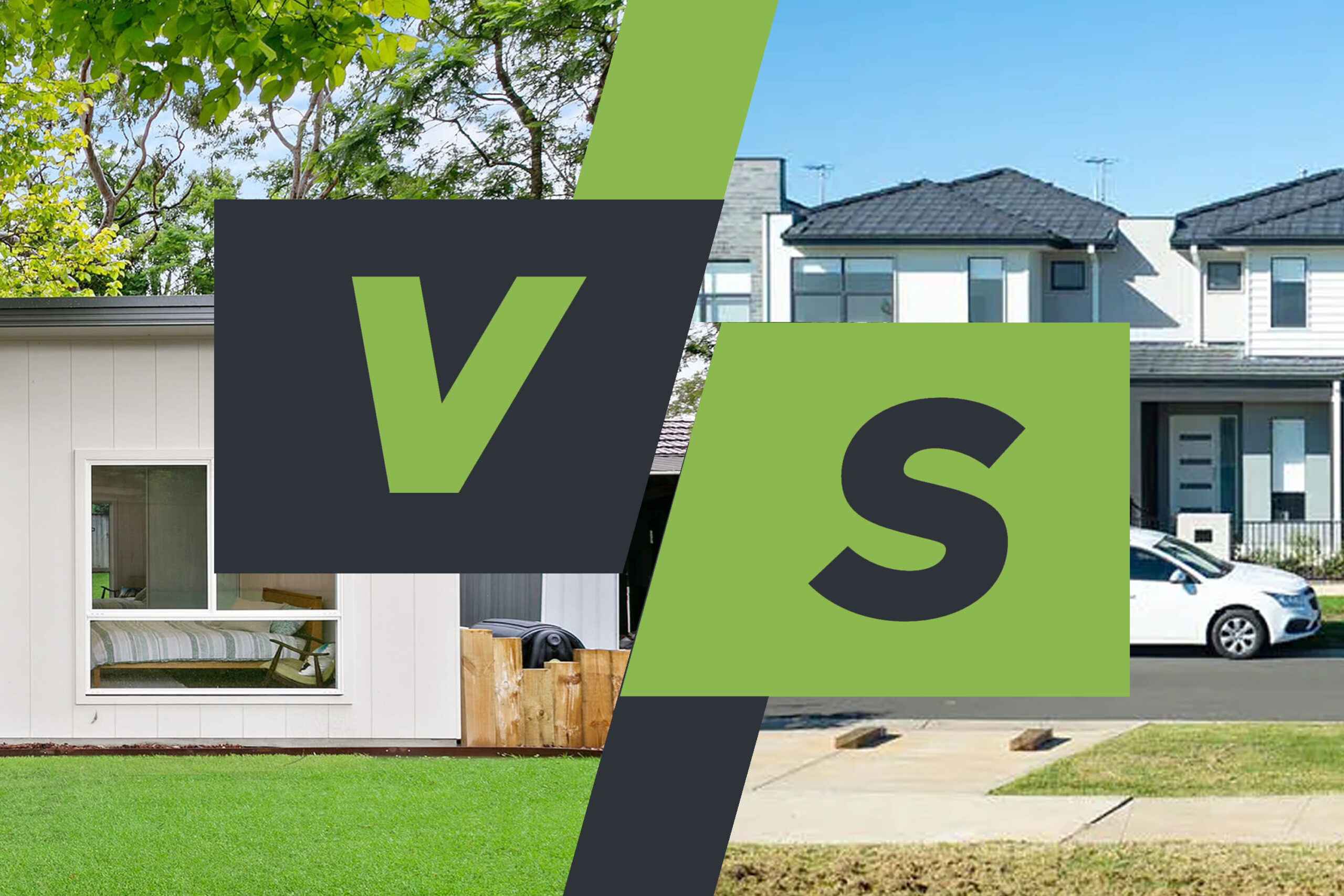
Should you buy land or a car as an investment? This is one of the biggest financial debates among Kenyans today.
Many freelancers, young professionals, and even established working-class professionals constantly debate which option makes more sense.
Both land and cars are desirable assets in Kenya, but they serve very different purposes. Choosing the right one depends on your goals, financial discipline, and long-term outlook.
Why Choose Between Land or Car Investments
For many Kenyans, owning a car is seen as a symbol of progress and freedom, while owning land represents security and future wealth.
With the rising cost of living, inflation, and the pressure to “look successful,” it is easy to be torn between buying a plot of land or driving away in your first car.
This land vs car decision is especially common among those who earn irregular incomes such as freelancers or gig workers, where cash flow dictates most financial decisions.
The Case for Buying Land in Kenya
Land in Kenya is considered one of the safest and most lucrative investments. Its value almost always appreciates over time, making it a reliable store of wealth.
For example, land prices in satellite towns like Kitengela, Juja, and Kamulu have tripled over the last decade, while urban plots in areas like Nairobi’s Ruai or Ngong continue to attract high demand.
Unlike cars, land requires little to no maintenance. Once you buy a piece of land, you only need to cover title transfer, rates, or fencing costs.
If strategically located, the land can be developed into rental units, commercial spaces, or farming projects. This makes buying land in Kenya not only an investment but also a source of passive income in the long run.
For more detailed financial planning, you can check out our guide on how to save for land in Kenya with a low salary to understand how land development can bring in income.
The Case for Buying a Car in Kenya
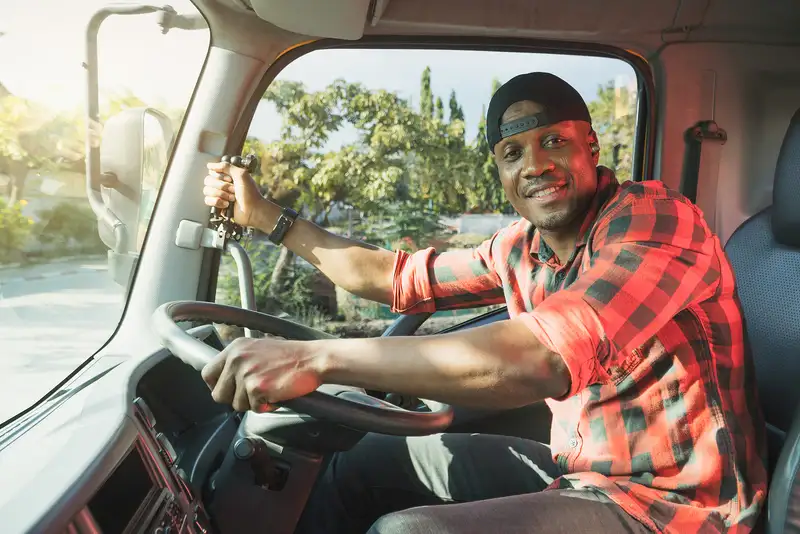
On the other hand, buying a car in Kenya offers instant lifestyle benefits. Cars provide convenience, flexibility, and the freedom to move around without relying on matatus or unreliable public transport.
For freelancers and entrepreneurs, a car can even double as a work tool. Think of those running small delivery businesses, Uber/Bolt drivers, or consultants moving between clients.
👉 Related read: 7 Ways to Turn Your Car into a Side Hustle in Kenya
However, cars depreciate rapidly in value. The moment you drive a car out of the dealership, its resale price drops. On top of that, maintenance, fuel, insurance, and parking costs quickly add up.
For instance, owning a small car like a Toyota Vitz in Kenya may cost around Ksh 15,000–20,000 per month in upkeep, while larger cars like Toyota Harriers or Prado can easily double that.
Comparing Land vs Car in Kenya
Here’s a simple side-by-side summary of what you get when you choose land versus a car:
| Factor | Land | Car |
|---|---|---|
| Value Over Time | Appreciates | Depreciates |
| Maintenance Costs | Very Low | Very High |
| Income Potential | Can generate rent, farming income | Limited (Uber, delivery, etc.) |
| Lifestyle Impact | Long-term stability | Immediate convenience |
| Resale Market | Always in demand | Shrinks with age |
From the table, it is clear that land provides long-term financial security, while a car provides short-term lifestyle comfort.
Should you Buy Land or a Car in Kenya?
For freelancers and those working in urban centers, a car might seem necessary. It helps cut down wasted time in traffic and can even generate money through car side hustles like ride-hailing.
Still, if the goal is financial growth, land is the smarter choice.
The working class in Kenya should ideally buy land first, then plan for a car later. This way, you create a foundation of wealth rather than investing in an asset that loses value.
With proper savings, it is possible to buy a small plot on the outskirts of Nairobi for under Ksh 500,000 and later budget for a modest car.
In summary, the general consensus leans toward necessity – if a car is essential for work or income, it might be the priority. Otherwise, many recommend investing in land first for long-term wealth-building.
To better plan your decision, try using tools like our Free Savings Goal Calculator to see where your money grows fastest.
Balancing both Land and Car Investments: Smart Financial Strategy
Some Kenyans choose to strike a balance in the land vs car debate. They start with a cheap, fuel-efficient car for mobility while saving aggressively for land.
Others pool resources in chamas or investment groups to buy land collectively while still enjoying the benefits of personal transport. If you fall under this category, you might find our Chama Contribution Calculator helpful.
What matters most is financial discipline. A car should never come at the expense of delaying land investment for too long. Cars are temporary, but land can secure generational wealth.
Final Verdict: Land First, Car Later
If you are wondering whether to buy land or a car in Kenya, the smart financial move is to prioritize land. Once you have land secured, you can comfortably plan for a car knowing that your wealth foundation is intact. A car is useful, but land is wealth.
For more personal finance guides, check out our guide on the best Agribusiness Ideas in Africa for young entrepreneurs to learn how to develop your land.
Should I buy land or a car first in Kenya?
Many financial advisers and lifestyle reporters suggest prioritizing land. Real estate tends to appreciate consistently – property in Kenya often appreciates in value by double digits annually – whereas cars can lose 30-40% of their value in just seven years.
What are the pros and cons of buying land before a car?
Buying land offers long-term financial security, minimal maintenance costs, and potential for rental income or resale at a higher price. On the flip side, it requires due diligence, is less liquid, and offers no immediate lifestyle benefits.
Cars, meanwhile, provide convenience, mobility, and can support businesses (e.g., ride-hailing), but they depreciate quickly, carry high running costs, and usually don’t build wealth.
Is it better to invest in land if I earn around KSh 67,000 a month?
Several financial columnists advise starting with land investments even on moderate incomes. By budgeting wisely and cutting non-essential expenses, you can start saving for land first, and then consider purchasing a car later.
How much do cars depreciate compared to land appreciation in Kenya?
Cars in Kenya can lose between 10-15% of their value annually, sometimes even more in the first few years, eventually dropping to about 30-40% of their original value after seven years.
In contrast, land values in many regions appreciate steadily, often by at least 12% per year
Can I use land or a car as collateral for a loan in Kenya?
Yes, both can be used as collateral. However, land is generally better collateral – it appreciates over time and can secure larger loan amounts. Cars, due to depreciation, usually attract lower loan values.