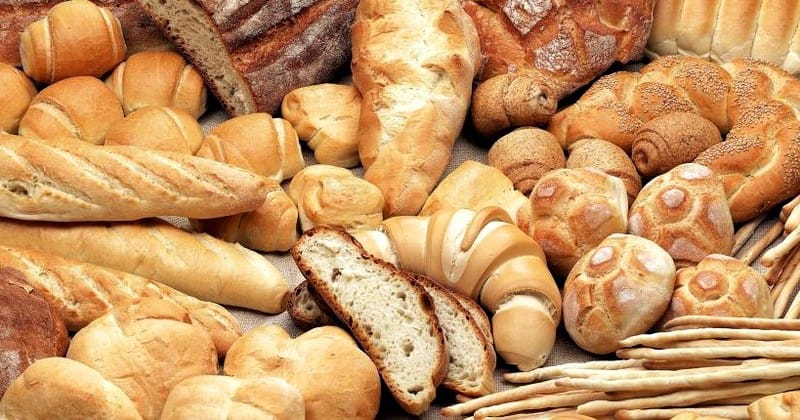
From fresh loaves of bread to cakes, mandazi, and pastries, baked goods are part of everyday life in Uganda. Families buy bread every morning, school children grab snacks during breaks, and weddings or birthdays often require customized cakes.
With such consistent demand, starting a bakery business in Uganda remains one of the most profitable ventures you can pursue in the country.
If you’ve been considering venturing into the food industry, this guide will show you how to start a small bakery in Uganda step by step: from market research, business registration, and equipment setup to startup costs, profit margins, and financial projections.
👉 Related read: How to Start Mobile Money Agent Business in Uganda (MTN/Airtel)
Why Starting a Bakery in Uganda is a Profitable Business Idea
Before diving into the setup process, it’s important to understand why the bakery sector is so promising in Uganda.
- Daily Demand: Bread and snacks are staple foods consumed by millions of households, schools, and offices daily.
- Affordable Startup: Compared to large-scale food factories, a small-scale bakery requires manageable capital and can be scaled gradually.
- Recurring Sales: Unlike seasonal businesses, bakery products are consumed all year round, ensuring repeat customers.
- Expansion Opportunities: You can begin with bread and mandazi, then later branch into cakes, doughnuts, meat pies, and pastries for higher margins.
👉 Related: Check our guide on Weekend Side Hustles for Africans for other ventures with steady demand.
How to Start a Bakery in Uganda (Step-by-Step Guide)
Before you start a small bakery in Uganda, careful planning is important. Below is a structured bakery business plan for Uganda that covers the most critical steps.
1. Conduct Market Research
Understanding your target market is key to succeeding in the bakery business in Uganda. Take time to study consumer preferences, pricing, and competitors.
- Identify your target customers: households, schools, kiosks, restaurants, supermarkets, and event planners.
- Visit existing bakeries in your area to study their pricing strategies (bread loaves sell for UGX 2,500–3,000 on average).
- Decide on your niche: Will you focus on mass bread production, snacks, or a combination that includes custom cakes for weddings and birthdays?
This research will help you differentiate your bakery and set competitive prices.
2. Register Your Bakery and Get Necessary Permits
To run a legal and trusted bakery business in Uganda, proper registration and compliance with food standards are mandatory.
- Register your business with the Uganda Registration Services Bureau (URSB).
- Obtain a trading license from your local authority.
- Apply for a health and food handling certificate from the Ministry of Health.
- Ensure compliance with the Uganda National Bureau of Standards (UNBS) for food safety certification.
👉 External Resource: Visit the official URSB website for step-by-step registration guidance.
3. Choose a Good Location and Set Up Your Bakery
A bakery’s success largely depends on its location. Aim for high-traffic areas with consistent demand.
- Choose a site near markets, schools, or residential estates.
- Ensure your space is large enough for ovens, preparation counters, and storage.
- Maintain strict hygiene standards—tiled floors, good ventilation, and proper waste disposal are critical.
Good branding and signage outside your bakery can also attract walk-in customers.
4. Buy the Necessary Bakery Equipment and Supplies
Every small bakery in Uganda needs the right mix of equipment and raw materials to operate efficiently. Your choice of equipment will depend on your scale and product mix.
Essential bakery equipment includes:
- Baking ovens (gas or electric, depending on power reliability).
- Mixers, trays, and baking pans.
- Cooling racks, shelves, and storage cabinets.
- Packaging materials such as branded bags, boxes, and labels.
- Raw materials: flour, sugar, yeast, butter, eggs, and milk.
👉 Related: See our Mini Supermarket Business Plan in Kenya for more equipment budgeting tips.
5. Hire Staff and Manage Operations
Your team is critical to maintaining product quality and customer satisfaction.
- Hire at least one skilled baker, two assistants, and a cashier for front-desk sales.
- Train staff in food hygiene, customer service, and quality consistency.
- Keep clear financial records of sales, expenses, and inventory to avoid losses.
As your small bakery business grows, you can also hire delivery staff to supply bread and snacks to local schools, hotels, and retail shops.
Bakery Startup Costs in Uganda (2025 Estimates)
Here’s an estimated breakdown of the capital required to start a small bakery in Uganda:
| Item | Estimated Cost (UGX) |
|---|---|
| Shop rent deposit (6 months) | 3,000,000 |
| Renovations & fittings | 2,000,000 |
| Baking oven (1 large) | 7,000,000 |
| Mixer, trays & baking tools | 3,000,000 |
| Cooling racks & shelves | 1,500,000 |
| Packaging & branding materials | 1,000,000 |
| Initial raw materials stock | 3,500,000 |
| Licenses & permits | 500,000 |
| Staff salaries (1 month float) | 2,000,000 |
| Marketing & signage | 1,000,000 |
| Miscellaneous expenses | 1,000,000 |
Total Startup Cost: UGX 25.5 million
Financial Projections: Bakery Profits in Uganda
Let’s assume your small bakery business produces 300 loaves of bread daily at UGX 3,000 each, plus additional cakes and snacks.
| Revenue/Expense | Monthly (UGX) | Annual (UGX) |
|---|---|---|
| Bread sales (300 × 3,000 × 30) | 27,000,000 | 324,000,000 |
| Cakes & snacks | 8,000,000 | 96,000,000 |
| Total Revenue | 35,000,000 | 420,000,000 |
| Rent & utilities | -1,000,000 | -12,000,000 |
| Staff salaries (4 workers) | -2,000,000 | -24,000,000 |
| Raw materials | -20,000,000 | -240,000,000 |
| Packaging & supplies | -1,500,000 | -18,000,000 |
| Miscellaneous expenses | -1,500,000 | -18,000,000 |
| Net Profit | 9,000,000 | 108,000,000 |
This shows that even a small bakery in Uganda can earn over UGX 9 million profit per month if operations are well-managed.
Risks in the Bakery Business
Like any business, your bakery business in Uganda will face challenges. The most common risks include:
- Competition: Many bakeries in urban areas can drive down prices.
- Fluctuating ingredient prices: Sugar and flour prices are volatile.
- Spoilage: Unsold bread and cakes can quickly go stale.
👉 Pro tip: Minimize risk by diversifying products (bread, snacks, cakes) and ensuring direct distribution to schools, hotels, and shops.
FAQs About Starting a Bakery in Uganda
Is a bakery profitable in Uganda?
Yes. A small bakery can generate UGX 9 million monthly profits if production and distribution are optimized.
How much does it cost to start a bakery in Uganda?
On average, you’ll need about UGX 25.5 million for equipment, raw materials, rent, and permits.
Do I need a license to run a bakery in Uganda?
Yes. Registration with URSB, a trading license, and UNBS certification are required.
Can I start a bakery from home?
Yes, but only at a very small scale. For larger contracts, you’ll need a licensed commercial bakery.
Conclusion
Starting a bakery in Uganda in 2025 is one of the most practical small business ideas due to its high demand, manageable startup costs, and strong profit margins. With just UGX 25.5 million, you can launch a bakery capable of generating steady monthly income while serving schools, households, and events.