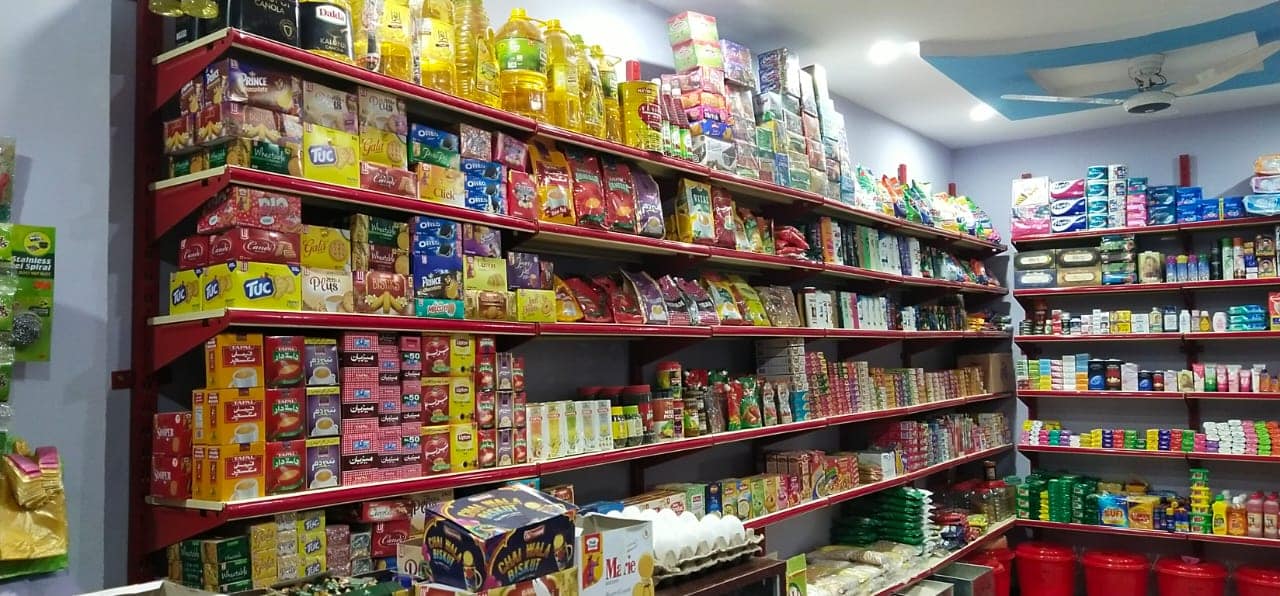
Supermarkets are no longer just for big cities—Kenya’s growing middle class and urban expansion have fueled demand for mini supermarket businesses in estates, small towns, and peri-urban centers.
These neighborhood stores provide convenience, affordability, and accessibility to consumers who prefer shopping close to home instead of traveling to large malls.
If you’ve been thinking of starting a retail business, a mini supermarket in Kenya is a smart and profitable option. This detailed mini supermarket business plan outlines everything you need to know—startup costs, permits, setup, financial projections, risks, and strategies for success.
Why a Mini Supermarket is a Good Business Idea in Kenya
- Steady Demand: Everyday essentials like food, toiletries, and household goods guarantee repeat customers.
- Growing Market: With urbanization and rising disposable incomes, the retail sector in Kenya is expanding.
- Scalable Model: Start small in your neighborhood and expand into a chain of outlets.
- Diversification: You can add mobile money agency, bakery sections, or even fast food kiosks for extra revenue.
👉 Related reading: Profitable Side Hustles You Can Start in Nairobi With Less Than Ksh 5000
Step-by-Step Guide to Starting a Mini Supermarket in Kenya
1. Market Research
- Identify demand in your target area (students, estate residents, office workers).
- Visit competitors and analyze pricing and product selection.
- Choose a niche (general groceries, budget-focused, or premium shopping).
2. Business Registration and Permits
- Register your business name via the eCitizen portal.
- Obtain a single business permit from the county government.
- Comply with public health and safety inspections for food handling.
- Set up an Electronic Tax Register (ETR) for KRA compliance.
3. Location and Setup
- Select a location with high foot traffic and good parking.
- Design a neat and organized layout with shelves, fridges, and counters.
- Install security features like CCTV, alarms, and secure doors.
4. Equipment and Stock
- Shelving and display racks
- Point of Sale (POS) system with barcode scanners
- Refrigerators for perishable goods
- Trolleys, baskets, and packaging supplies
- Initial stock of groceries, toiletries, beverages, and fast-moving consumer goods (FMCGs)
5. Staffing and Operations
- Hire cashiers, attendants, and a store manager.
- Implement inventory management to track stock levels.
- Maintain customer-friendly pricing and reliable supply chains.
Mini Supermarket Business Startup Costs in Kenya
Here’s an estimated cost breakdown for a small-to-medium-sized mini supermarket:
| Item | Estimated Cost (KES) |
| Shop rent deposit (6 months) | 600,000 |
| Renovations & shelving | 400,000 |
| Refrigerators & freezers | 350,000 |
| POS system & security setup | 200,000 |
| Initial stock (groceries, FMCG) | 1,500,000 |
| Licenses & permits | 50,000 |
| Staff salaries (1 month float) | 150,000 |
| Marketing & signage | 100,000 |
| Miscellaneous expenses | 100,000 |
| Total Startup Cost | 3,450,000 |
👉 Related reading: Business Plan for a Small Bakery in Uganda (2025 Guide)
Financial Projections: Mini Supermarket Profits in Kenya
Assuming average daily sales of KSh 30,000 with a 20% gross margin:
| Revenue/Expense | Monthly (KES) | Annual (KES) |
| Sales revenue (KSh 30k x 30) | 900,000 | 10,800,000 |
| Gross profit (20% margin) | 180,000 | 2,160,000 |
| Rent & utilities | -120,000 | -1,440,000 |
| Staff salaries (5 workers) | -150,000 | -1,800,000 |
| Licenses, marketing, misc. | -30,000 | -360,000 |
| Net Profit | -120,000 | -1,440,000 |
Note: At this conservative estimate, the mini supermarket business operates at a small loss due to high overheads. Profitability kicks in when:
- Daily sales rise to KSh 50,000–60,000
- Stock is diversified with high-margin products (cosmetics, bakery, mobile money)
- Overheads are optimized
At KSh 50,000 daily sales, your mini supermarket business profits can reach KSh 250,000+ monthly.
Risks, Challenges, and Tips for Mini Supermarket Business Success
Risks
- High Competition: Big retail chains and kiosks can reduce margins.
- Stock Theft: Shoplifting and internal theft can cause losses.
- Cash Flow Strain: Stocking FMCGs requires high working capital.
Tips for Success
- Use modern POS systems to track inventory and prevent theft.
- Negotiate with wholesalers for discounts and bulk pricing.
- Add complementary services like M-Pesa agents business, bakery counters, or a butchery.
- Build customer loyalty with discounts, points cards, or delivery options.
👉 Related reading: How to Save for Land in Kenya With a Low Salary
Is a mini supermarket business profitable in Kenya?
Yes. A mini supermarket business can be profitable once daily sales exceed KSh 50,000. At this level, profits can reach KSh 250,000+ monthly, making it a lucrative venture.
How much does it cost to start a mini supermarket in Kenya?
On average, starting a small mini supermarket requires around KSh 3.45 million, covering rent, shelving, refrigerators, initial stock, permits, and salaries.
Do I need a license to start a supermarket in Kenya?
Yes. You’ll need to register your business via eCitizen, obtain a county trade license, and comply with public health and KRA tax regulations.
What are the biggest challenges of running a mini supermarket business?
The main challenges include competition, high overhead costs, stock management, and theft. However, technology (POS systems, CCTV) and bulk buying help reduce these risks.
How can I increase profits in a mini supermarket?
Add side businesses (bakery, M-Pesa, cosmetics), Focus on high-margin products, Introduce delivery services for estates and offices and Build strong supplier relationships to cut costs
Conclusion: Should You Start a Mini Supermarket in Kenya?
A mini supermarket business is one of Kenya’s most stable and profitable retail ventures when managed well. While startup costs of about KSh 3.45 million are significant, the returns can be substantial if you secure the right location, manage stock effectively, and scale sales above KSh 50,000 daily.
With a proper mini supermarket business plan, modern systems, and customer loyalty strategies, your mini supermarket can grow into a reliable and expanding business.
Related reading:
- Top SACCOs in Kenya With the Best Dividends in 2025
- Mitumba Clothes Business Plan in Kenya (Step-by-Step Guide)
External Resources:
- eCitizen Kenya – for business registration.
- Kenya Revenue Authority (KRA) – for ETR and tax compliance.
- Kenya National Bureau of Statistics (KNBS) – for retail and economic data.