Government bonds are one of the most reliable and low-risk investment options in Kenya. They are debt instruments issued by the Central Bank of Kenya (CBK) on behalf of the government to raise money for infrastructure, healthcare, and other national projects.
Unlike speculative investments like forex or crypto, investing in government bonds in Kenya provides predictable interest payments (known as coupon rates) and are backed by the government—making them a great way for risk-averse investors to grow wealth.
If you’re just getting started with investing, investing in government bonds in Kenya can be an excellent first step before moving into more advanced options like real estate investment in Kenya.
What Are Government Bonds (and How Do They Work)?
Government bonds are long-term debt securities issued by the Central Bank of Kenya (CBK) on behalf of the government. They require investors to lend money in return for:
- Semi-annual interest payments (coupons).
- Capital return at the bond’s maturity date.
Key features include:
- Issued monthly via auctions and listed on the Nairobi Securities Exchange (NSE) for secondary trading.
- Typical tenors range from 2 to 30 years, with infrastructure bonds offering special tax perks.
Types of Government Bonds in Kenya
There are several types of government bonds you can invest in. Here are the main ones:
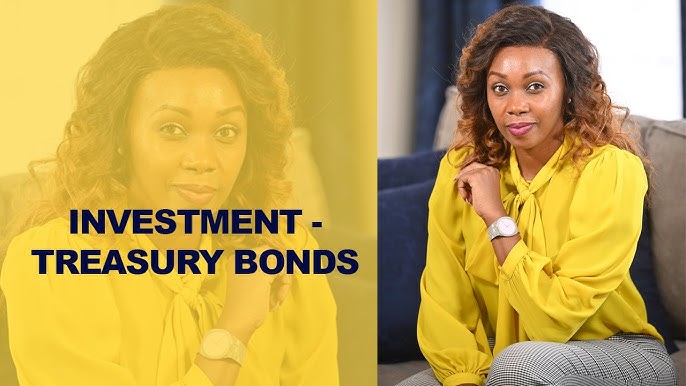
1. Treasury Bonds
These are medium-to-long-term bonds (2 to 30 years). They pay interest every six months and are ideal for investors looking for regular income.
- Example: The 20-year Infrastructure Bond is tax-free, making it especially attractive.
- Best for: Long-term investors saving for retirement, education, or future projects.
2. Infrastructure Bonds (IFBs)
Issued specifically to fund roads, energy, and water projects. Unlike regular bonds, the interest earned is tax-exempt, making them among the most profitable options.
- Pros: Higher real returns due to no withholding tax.
- Cons: Often require a higher minimum investment (usually Ksh 50,000).
3. Zero-Coupon Bonds
These don’t pay interest periodically but are sold at a discount. You only earn when the bond matures, making them a good option for those who don’t need regular payouts.
Example: Buying a bond at Ksh 80,000 and redeeming at Ksh 100,000 on maturity.
For more beginner-friendly investment ideas, you can also check out our guide on best agribusiness investments in Africa.
How to Invest in Government Bonds in Kenya
Investing in government bonds in Kenya is much simpler than most people assume. Here’s the step-by-step process:
Step 1: Open a CDS Account
To buy government bonds, you must open a Central Depository System (CDS) account with the CBK. The account is free, but you’ll need:
- National ID or passport
- Two passport-size photos
- Copy of KRA PIN
👉 Full details are available on the CBK official bonds portal.
Step 2: Monitor Upcoming Bond Offers
CBK publishes bond prospectuses every month showing which bonds are available, interest rates, and maturity dates. You can track them on their website or through your bank.
Step 3: Place Your Bid
Bids are submitted through the CBK or your commercial bank. There are two types:
- Competitive bids (you state the interest you want)
- Non-competitive bids (CBK assigns you the market rate—best for beginners)
Step 4: Make Payment
Once your bid is successful, you’ll pay through your bank. Minimum investment is usually Ksh 50,000, but Treasury bills can start at Ksh 100,000.
Step 5: Enjoy Semi-Annual Payments
Coupon payments are credited directly to your bank account every six months until maturity.
Risks of Investing in Government Bonds in Kenya
Even though bonds are safe, there are risks you should know:
- Liquidity risk: You may struggle to sell a bond before maturity.
- Inflation risk: If inflation rises higher than your coupon rate, real returns drop.
- Interest rate risk: Rising interest rates can lower the value of your bond in the secondary market.
Key Pros and Cons of Investing in Government Bonds in Kenya
Pros
- Security – Backed by the Kenyan government, making them among the safest options (Nairobi Securities Exchange PLC)
- Reliable Income – Receive interest twice a year.
- Liquidity – Can be sold on the secondary market before maturity.
Cons
- High minimum investment – Typically Ksh 50,000 for bonds, and Ksh 100,000 for infrastructure bonds.
- Market risk – Bond prices fluctuate; selling before maturity may result in a loss
- Lower returns than riskier assets like stocks or special funds.
Government Bonds vs. Other Investment Options
| Investment Type | Minimum | Yield | Risk Level | Liquidity | Best For |
| Government Bonds | Ksh 50K | ~12-14% projected | Low | Moderate | Long-term, secure income |
| Money Market Funds (MMFs) | Ksh 100 | ~8–10% | Very Low | High (liquid) | Short-term savings |
| Real Estate / REITs | Varies | Varies | Medium-High | Low | Long-term asset growth |
| Special Funds (e.g., Mansa X) | Ksh 250K+ | Potentially High | Medium-High | Medium | Global diversification |
Want extra insights on MMFs? See our article on digital savings apps in Kenya to compare these side-by-side.
Smart Strategies for Kenya Bond Investors
- Laddering – Buy bonds with different maturities (e.g., 2, 5, 10 years) to layer income and reduce wait times.
- Reinvest interest – Use coupon payments to reinvest into more bonds or MMFs for compounding returns.
- Match bonds to goals – Use short-term bonds for near-term plans like university fees or side hustle funding.
- Diversify gradually – Combine bonds with safer options like MMFs or riskier ones like side hustles. Need ideas? Check our guide to profitable side hustles in Nairobi under Ksh 5,000.
Final Thoughts: Should You Invest in Government Bonds in Kenya?
Government bonds remain one of the safest ways for Kenyans to build wealth gradually. They’re particularly useful if you want steady, low-risk income or a safe place to park your money compared to riskier assets like crypto or stocks.
If you’re new to investing, start small, learn the process, and gradually scale up. And if you want to combine bonds with more practical wealth-building, check out our guide on how to save for property on a low income to maximize your savings.
Ready to get started? Visit the Central Bank of Kenya bond investments page and open your CDS account today.
How can a beginner invest in government bonds in Kenya?
Open a CDS account, follow CBK bond auctions, submit a bid (minimum Ksh 50,000), and if successful, receive semi-annual interest payments and principal at maturity.
Are government bonds safe investments?
Yes. Kenyan government bonds are backed by the government, making them a low-risk, predictable-income investment.
What is the minimum investment for infrastructure bonds?
The minimum investment for infrastructure bonds in Kenya is typically Ksh 100,000.
Do government bonds pay interest regularly?
Yes. Most government bonds in Kenya pay interest every six months (semi-annually).