Buying land in Kenya remains one of the most rewarding investments. Yet, for many working Kenyans, especially those earning modest incomes, saving for land can feel overwhelming.
The good news is, with the right strategy, even those on a low salary can gradually save for land and own prime property. Whether you are targeting land for farming, building a home, or long-term investment, the key lies in consistent planning and disciplined saving.
Understand the Cost of Land in Kenya
Before you begin saving for land, you need to know the average price of land in Kenya, more precisely in your target area.
In rural Kenya, land can go for as little as Ksh 200,000 per acre, while prime areas near Nairobi or major towns may range between Ksh 1 million and Ksh 5 million per acre depending on proximity to infrastructure and demand.
Researching land prices in Kenya will give you a realistic savings goal and help you identify affordable locations. For market updates, you can check HassConsult’s Land Price Index which publishes quarterly reports on property prices in Kenya.
Below, we explore practical ways to save for land in Kenya, including tips on budgeting, investment, and where to find affordable land options.
Related: Real Estate Investment in Kenya: Should You Buy Land or Apartments?
Create a Realistic Savings Goal
The first step in learning how to save for land in Kenya is developing a disciplined savings plan. Financial experts recommend setting aside at least 20–30% of your income for long-term goals like buying land.
For those earning low salaries, this may seem difficult, but even saving Ksh 5,000 per month consistently can accumulate into Ksh 60,000 per year, enough for a deposit on affordable land parcels.
- Track all your expenses to identify unnecessary spending.
- Open a separate savings account or use a mobile savings wallet (like M-Shwari or KCB M-Pesa) to avoid dipping into your land fund.
- Automate your savings to stay consistent without relying on willpower.
To save effectively, start by calculating how much you need to buy land in Kenya. Then break it down into smaller achievable amounts. For example, if your target is Ksh 500,000 in 5 years, you would need to save about Ksh 8,500 per month.
Join a Sacco for Structured Saving
Joining a Sacco (Savings and Credit Cooperative) or a Chama is one of the most effective ways to save for land in Kenya. Some SACCOs allow members to pool resources and access affordable credit. Some even organize land-buying projects for their members, offering plots at subsidized rates.
According to the Kenya Union of Savings and Credit Cooperatives (KUSCCO), Saccos collectively manage over Ksh 1 trillion in assets, making them a powerful tool for wealth building.
- Choose a Sacco that has land investment projects for members.
- Save regularly to build a good credit history.
- Take advantage of Sacco land loans in Kenya, which usually have interest rates between 12–14%, lower than commercial bank loans.
Many Saccos not only encourage disciplined savings but also provide affordable land loans to members for land purchases. SACCOs also pay annual dividends which boost your savings.
Related: Check out our free SACCO dividends calculator to estimate interest on your savings
Buy Land in Installments
Some real estate companies in Kenya allow buyers to acquire land through flexible installment plans. This model is particularly helpful for low-income earners since you don’t need the full purchase amount upfront.
For example, you might pay a 10–20% deposit and spread the balance over 6–24 months.
- Choose companies with a good track record (e.g., Optiven, Username Investments).
- Always conduct a land search at the Ministry of Lands to verify ownership.
- Negotiate for flexible repayment terms that fit your salary level.
External resource: Ministry of Lands & Physical Planning.
Explore Land Buying Through Chamas
Chamas (investment groups) are another effective way to save for land in Kenya. By pooling resources, members can afford bigger parcels of land and later subdivide them. This model has helped many low-income earners buy land they would not afford individually.
- Join or form a chama with trusted friends, colleagues, or family members.
- Ensure the chama is registered and operates with a constitution.
- Consider pooling resources to buy land near satellite towns like Kitengela, Ruiru, or Thika, where property values are steadily rising.
Chamas are also a great option if you’re exploring business ideas in Kenya.
Invest in Low-Risk Assets to Grow Your Savings
Instead of letting your savings sit idle in a bank account, you can grow them by investing in low-risk assets.
Options such as money market funds (MMFs) are increasingly popular in Kenya, with some funds offering returns of 10–12% annually. For long-term saving, this ensures your money keeps pace with inflation.
| Option | Annual Return | Accessibility | Risk Level |
|---|---|---|---|
| Money Market Funds | 10–12% | Withdraw anytime | Low |
| Fixed Deposit Account | 7–9% | Fixed term | Low |
| Sacco Savings | 8–10% + dividends | Moderate | Low-Medium |
Learn more in our guide on top SACCOs with the highest dividends to see how you can maximize returns.
Cut Expenses and Increase Savings
One of the biggest challenges when saving for land is limited disposable income. However, small lifestyle changes can free up money for your goal.
Some practical adjustments include:
- Cooking at home instead of eating out, saving an average of Ksh 5,000 monthly.
- Using public transport or carpooling to reduce commuting costs by up to 20%.
- Cancelling unnecessary subscriptions (e.g., multiple TV packages) to free extra cash.
These small sacrifices add up significantly over the years. See 5 Best Digital Savings Apps in Kenya to help you save better.
Consider Side Hustles to Boost Savings
Since salaries can be limited, supplementing your income through side hustles in Kenya can accelerate your land savings. Even earning an extra Ksh 10,000 per month could shave years off your goal.
Popular side hustles include:
- Freelancing online (writing, design, virtual assistance).
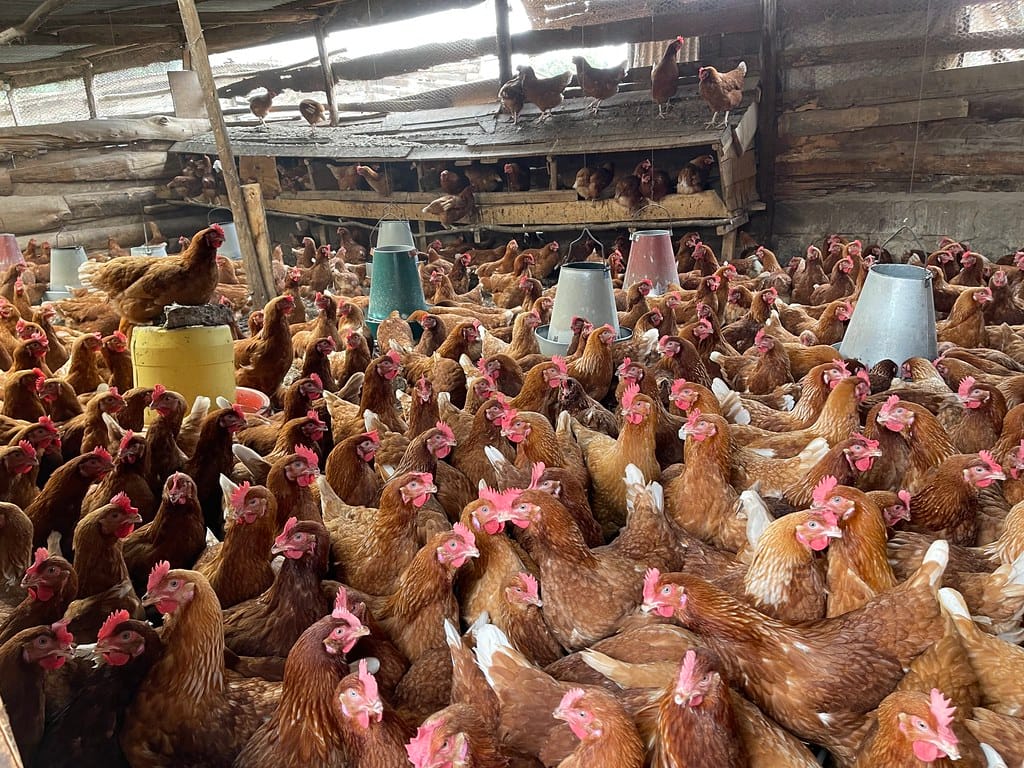
- Agribusiness such as poultry farming or avocado farming.
- Starting a small kiosk or delivery business.
You can check our guide on profitable side hustles in Kenya under 5000 to explore more options.
Saving for Land in Kenya: Comparison Table
Here’s a quick comparison of different methods of saving for land in Kenya:
| Saving Method | Pros | Cons | Best For |
|---|---|---|---|
| Bank Savings Account | Safe, accessible, earns interest | Very low returns | Beginners who need safety |
| Sacco Savings | Higher interest, dividends, land-buying projects | Requires discipline & membership | Long-term savers |
| Chamas | Group discipline, shared opportunities | Risk of mismanagement | Social groups |
| Installment Plans | Flexible, spreads cost | Can be more expensive overall | Low-income earners |
| Side Hustle Income | Increases savings capacity | Requires extra time & effort | Ambitious savers |
How much should I save monthly to buy land in Kenya?
It depends on the price of land in your preferred area. For example, if a plot costs Ksh 500,000, saving Ksh 10,000 monthly will take you about 4 years.
Where to buy cheap land in Kenya?
You can find affordable land deals on platforms like Jiji Kenya or by exploring satellite towns such as Kitengela, Kangundo Road, or Isinya. Always do due diligence before paying.
Is it better to buy land in cash or installments?
Installments make land more affordable for low-income earners, but ensure the company offers genuine titles. Cash purchases may earn you discounts.
Can I use my Sacco savings to buy land?
Yes, many Saccos offer land investment schemes or loans specifically for members looking to buy plots.
Stay Disciplined and Patient
Ultimately, saving for land on a low salary requires patience and consistency. Many Kenyans give up midway, but those who stay disciplined eventually achieve ownership.
Remember, land appreciates over time, so every shilling saved today brings you closer to a valuable investment. Start small, stay consistent, and in a few years, you’ll have the title deed in your hands.