How to Buy Shares on the NSE: CDS Account, Costs and Ziidi Trader
You can buy a single share on the Nairobi Securities Exchange. How to open a CDS account, what a trade costs, how Ziidi Trader on M-Pesa compares and how dividends are taxed.

In this guide▾
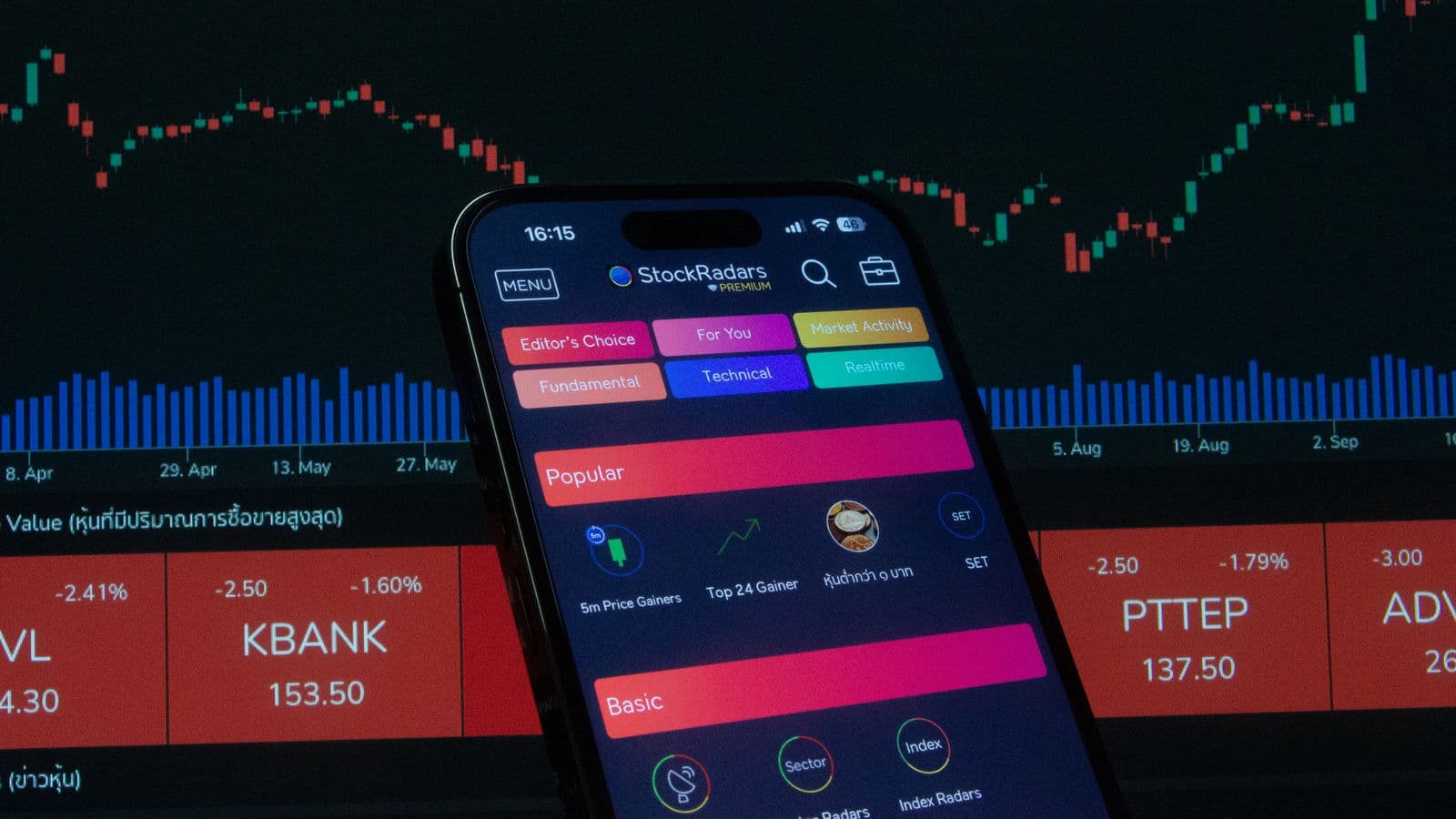
Buying shares in Kenya used to feel like something for people with a stockbroker on speed dial. Not any more. Since 2025 you can buy a single share, and you can do it from your phone.
The bigger choice is how you hold your shares: in a CDS account in your own name, or through Ziidi Trader in the M-Pesa app. That decision matters more than which company you buy first.
| Buying NSE shares | Details |
|---|---|
| Minimum you can buy | 1 share (since 8 August 2025) |
| You need | National ID or passport, KRA PIN, and a bank account or M-Pesa |
| Ways to hold shares | CDS account through a licensed stockbroker or investment bank, or Ziidi Trader on M-Pesa |
| Cost per trade | About 2.4% for a small trade through a broker, including VAT; Ziidi reports about 1.5% |
| Tax on dividends | 5% withholding tax for residents, final |
| Tax when you sell | None: gains on NSE-listed shares are exempt from capital gains tax |
Sources: Business Daily on the NSE's one-share rule and Ziidi Trader, and KRA on taxation of dividends. Figures checked November 2026.
How do I buy shares on the NSE?
Open a CDS account through a stockbroker licensed by the Capital Markets Authority, fund it by bank transfer or M-Pesa, then place a buy order for the shares you want. You can buy as little as one share. Alternatively, Ziidi Trader in the M-Pesa app lets you buy straight from your M-Pesa balance without opening a CDS account.
Two ways to hold NSE shares
| CDS account through a broker | Ziidi Trader on M-Pesa | |
|---|---|---|
| Whose name the account is in | Yours, at the Central Depository (CDSC) | The broker's (Kestrel Capital) omnibus account, with your shares recorded to you |
| How you pay | Bank transfer or the broker's M-Pesa paybill | Straight from your M-Pesa wallet |
| Sale proceeds go to | Your bank or broker account | Your M-Pesa wallet |
| Cost per trade | About 2.1% plus VAT on commission for small trades | About 1.5% reported |
| Paperwork | Account opening form and ID | Accept terms in the M-Pesa app |
| Best for | Larger, long-term holdings | Small, regular buys |
Which one should you pick? For small amounts you add every month, Ziidi Trader is simpler and cheaper per trade. Once your holdings grow, a CDS account in your own name is cleaner. Your shares sit directly with the Central Depository, and you can move them between brokers.
Ziidi Trader launched in February 2026 and quickly took most of the NSE's share orders, so it's not a niche option. Check the charges shown in the app before each trade, as Safaricom's published fee figures may change.
Opening a CDS account step by step
- Choose a stockbroker or investment bank licensed by the Capital Markets Authority. Check the firm on the licensee list at cma.or.ke before you send any money; our guide shows how to check a CMA licence.
- Fill in the account opening form. Most brokers let you do it online. You'll need your ID or passport, KRA PIN, a passport photo and bank details. If you don't have a PIN yet, see how to get a KRA PIN.
- The broker opens your CDS account with the Central Depository and Settlement Corporation. Most do this within a few working days once your documents are complete.
- Fund your trading account by bank transfer or the broker's M-Pesa paybill.
- Place your order in the broker's app or by phone: the company, the number of shares and the highest price you'll pay.
- Check your contract note. It shows the price you got and every charge. Your shares appear in your CDS account after settlement.
Ask your broker whether they charge a minimum deposit or any account fee. These vary from firm to firm.
What it costs to buy and sell
Brokers charge commission plus statutory levies on every trade. The standard schedule on a KES 10,000 purchase works out like this:
| Charge | Rate | On KES 10,000 |
|---|---|---|
| Broker commission | 1.76% | KES 176 |
| VAT on commission | 16% of commission | KES 28 |
| NSE levy | 0.12% | KES 12 |
| CMA levy | 0.12% | KES 12 |
| CDSC fee | 0.08% | KES 8 |
| Investor compensation fund | 0.02% | KES 2 |
| Stamp duty | KES 2 per KES 10,000 | KES 2 |
| Total | about 2.4% | KES 240 |
Selling costs about the same again. So a share needs to rise roughly 5% before you break even on a buy and a sale. Trades above KES 100,000 can attract lower, negotiated commission of up to 1.5%.
The lesson: buying and selling often eats your money. Shares reward people who buy good companies and hold them for years.
Dividends and tax
When a company pays a dividend, it deducts 5% withholding tax for Kenyan residents before paying you. That's a final tax, so you don't declare it again.
There's no capital gains tax when you sell NSE-listed shares at a profit. Gains on shares traded on a CMA-licensed exchange are exempt.
Keep your bank or M-Pesa details up to date with your broker or the company's registrar. Dividends that can't be paid sit unclaimed and eventually go to the Unclaimed Financial Assets Authority, which is a slow process to reverse.
Mistakes new investors make
- Buying on a WhatsApp or Telegram tip. "This share will double next week" groups are a classic way to get you buying at the top. Research the company yourself.
- Trading too often. At about 2.4% each way, frequent trading quietly drains your account.
- Using unlicensed trading apps. Apps offering "NSE shares" or forex without a CMA licence aren't protected by Kenyan law. Check the licence first.
- Investing your emergency money. Share prices fall as well as rise. Keep three to six months of expenses in a money market fund before you buy shares.
- Putting everything in one company. Spread your money over a few companies in different sectors.
Where shares fit with your other savings
Shares are for money you won't need for at least five years. For shorter goals, look at government bonds, money market funds or a SACCO with steady dividends. Many Kenyans build a mix: an MMF for emergencies, a SACCO for a loan base, and a slowly growing share portfolio for the long term.
To see what regular monthly buying could grow into, try our compound interest calculator.
Frequently asked questions
What is the minimum amount to invest on the NSE?
You can buy a single share, so the minimum is one share's price plus charges. Some brokers set a minimum deposit for the trading account, so ask before you sign up.
Do I need a CDS account to use Ziidi Trader?
No. Ziidi Trader holds your shares in an omnibus account run by its broker, Kestrel Capital, and records them to you. You only need an M-Pesa account and to accept the terms in the app.
How long does it take to open a CDS account?
Most brokers open one within a few working days once you've submitted your ID, KRA PIN and the account form.
Are NSE dividends taxed?
Yes. Kenyan residents pay 5% withholding tax on dividends from listed companies. It's deducted before you're paid and is a final tax.
Can Kenyans abroad buy NSE shares?
Yes. Many brokers open CDS accounts for Kenyans in the diaspora using a passport and KRA PIN, and you can fund the account by international bank transfer.
Keep reading

Container Houses in Kenya: Buy Local or Import From Alibaba
Thinking of a container house in Kenya? Compare local dealers with Alibaba imports, the KRA taxes, the hidden costs and how to avoid scams.
19 Nov 2026 · 11 min read
How to Invest in a Money Market Fund in Kenya via M-Pesa
Ziidi and other money market funds take deposits straight from M-Pesa, some from KES 100. How to sign up, what it costs, and the paybill numbers.
14 Nov 2026 · 6 min read
How to Do a Land Search in Kenya on Ardhisasa (and Spot a Fake Title Deed)
A land search on Ardhisasa costs KES 1,000 and shows who owns a plot and any charges on it. How to run the search, and spot a fake title deed.
30 Oct 2026 · 8 min read