Starting a nails and salon business in Kenya is one of the most practical and profitable ventures you can consider today.
From haircuts and styling to nail care and grooming, Kenyans spend significant amounts of money on personal grooming every month. The beauty and grooming industry in Kenya has grown steadily thanks to urbanization and lifestyle shifts.
Whether you are planning to open a small barbershop in campus or a fully-fledged salon with modern equipment, having a clear salon business plan is the first step to success.
In this guide, we’ll break down everything you need to know about how to start a salon business: from market research to startup costs, licensing, operations, financial projections, and tips for long-term growth.
Why Start a Nails and Salon in Kenya?
The personal grooming business rarely goes out of fashion. Even when the economy is tight, people still prioritize basic grooming.
Men often get haircuts every two to three weeks, while women visit salons at least once every 2 weeks for braiding, treatments, and nails styling.
This means there is a constant flow of customers, and you don’t have to wait for seasonal peaks to make money from a salon business.
The flexibility of the beauty industry is another reason it makes sense. You can start small with just a couple of chairs, clippers, and mirrors, then gradually expand to offer spa treatments, pedicures, manicures, or even retail beauty products. Each added service increases your income streams.
Finally, the salon business margins are attractive. The cost of providing a haircut in Kenya is relatively low compared to the fee charged, which leaves you with solid profit margins.
For instance, a haircut that costs Ksh 300 to a customer may only use Ksh 50 worth of electricity, water, and supplies. The rest is income that helps sustain and grow the business.
👉 Related reading: 10 Ways to Make Money Online in Kenya Using Just Your Phone
Step-by-Step Guide to Starting a Salon Business in Kenya
Do Some Market Research
The first step when starting a salon business in Kenya is to study the market carefully. Take a walk around your area and note how many salons and barber shops already exist. Look at the type of clients they serve, the services they offer, and the price ranges.
A salon shop in Nairobi, for instance, may charge between Ksh 500 and Ksh 1,000 for a haircut, while one in a smaller town like Kisumu or Nakuru may charge Ksh 150 to Ksh 300.
Talking to potential customers is also valuable. Many clients can tell you what they feel is missing in existing establishments.
Some might complain about long waiting times, while others may wish for modern décor, better customer service, or extra touches such as Wi-Fi or TV screens.
This information helps you position your salon or barber shop in a way that appeals directly to unmet needs.
Estimating Startup Costs
The investment required depends on the size and quality of the salon setup you have in mind. A modest neighborhood barber shop may only need around Ksh 100,000, while a mid-range salon with proper equipment and professional décor can easily go beyond Ksh 500,000.
Here’s a typical breakdown for a modest salon business in Kenya:
| Expense Item | Estimated Cost (Ksh) |
|---|---|
| Shop rent & deposit (2–3 months) | 60,000 – 150,000 |
| Renovations & interior décor | 50,000 – 100,000 |
| Salon chairs & barber seats | 30,000 – 120,000 |
| Hair dryers, clippers & equipment | 40,000 – 80,000 |
| Mirrors & fittings | 20,000 – 40,000 |
| Licenses & permits | 15,000 – 30,000 |
| Initial stock (shampoos, gels, creams) | 30,000 – 60,000 |
| Branding & signage | 10,000 – 20,000 |
| Working capital (first 2 months) | 50,000 – 100,000 |
| Total Estimated Cost | 305,000 – 700,000 |
If you are just starting out, it’s wise to begin small and expand as your salon business grows, rather than over-investing in luxury setups before you understand your market.
Getting Permits and Licenses
Like any other service business, salons and barber shops in Kenya require proper permits to operate legally. The most important is a Single Business Permit issued by your county government.
Depending on your location, you may also be required to obtain a health and safety certificate, especially because grooming involves close contact and hygiene-sensitive services.
For larger setups, a fire safety compliance certificate might also be necessary. Information on business registration and permits in Kenya can be accessed through the eCitizen portal or directly from your local county government offices.
Setting Up Your Business
Once you have the paperwork sorted, attention turns to the physical space. Location is crucial—high foot traffic areas like near estates, malls, or busy streets are ideal.
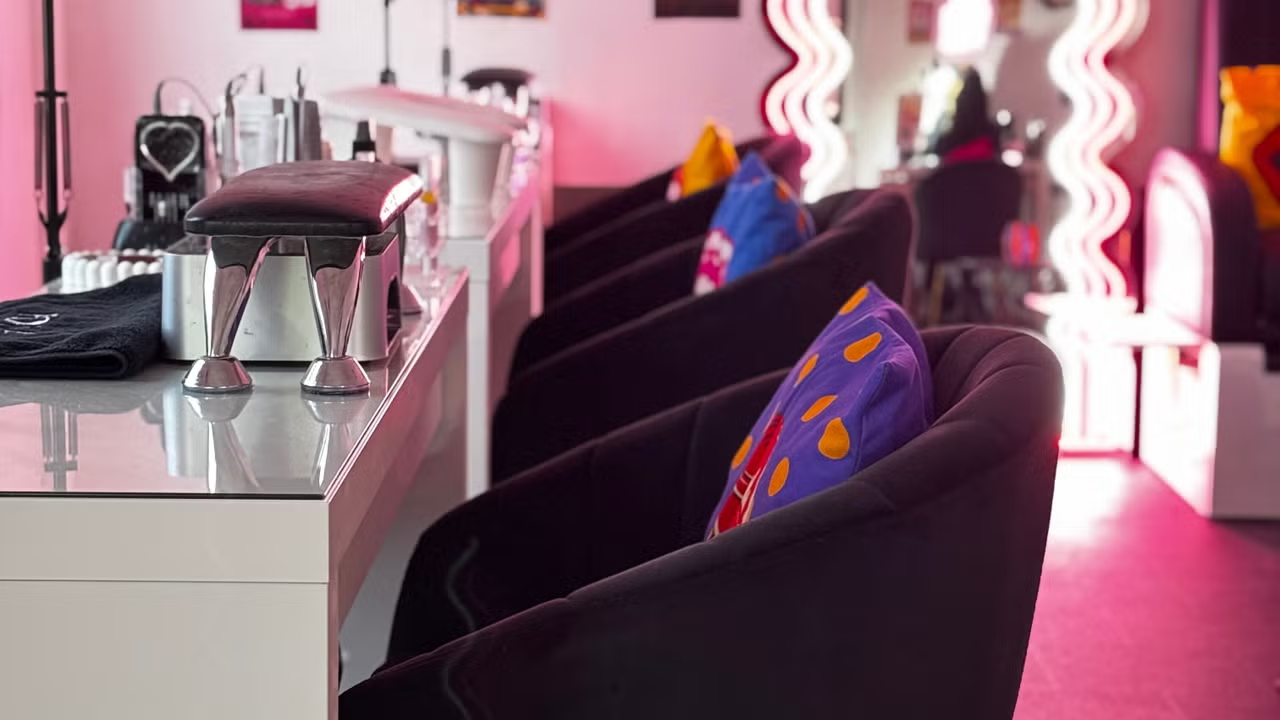
Customers are drawn not just by convenience, but also by the look and feel of the space. A clean, modern, and well-lit environment creates trust and makes clients more likely to return.
The salon furniture and fittings are equally important. Comfortable chairs, stylish mirrors, and good lighting give the shop a professional image.
Some salon business owners also add extras like Wi-Fi, background music, or TV screens to improve the customer experience while they wait or get serviced.
Running Day-to-Day Operations
Once the salon shop is open, daily operations revolve around staff management, inventory, and customer care. Hiring skilled barbers and salonists is essential.
Some salon owners prefer to pay staff a salary, while others use a commission system where employees earn a percentage of the services they provide. Each approach has its pros and cons, but commissions often motivate staff to bring in more clients.
Inventory management is another key aspect. Products such as shampoos, gels, and creams should be purchased in bulk from salon wholesale shops to reduce costs. Stocking popular items also ensures that clients don’t leave disappointed.
Finally, marketing should not be ignored. Social media platforms like Instagram, TikTok, and Facebook are powerful tools for showcasing your work, while simple referral discounts encourage word-of-mouth promotion.
Financial Projections: Earnings Potential
A well-run salon business in Kenya can bring in solid monthly returns. Let’s consider a mid-sized setup as an example.
| Revenue/Expense | Monthly Estimate (Ksh) | Annual Estimate (Ksh) |
|---|---|---|
| Average daily clients (20) × Avg. spend (Ksh 300) | 180,000 | 2,160,000 |
| Staff salaries (2 stylists, 2 barbers) | 60,000 | 720,000 |
| Rent & utilities | 30,000 | 360,000 |
| Supplies & consumables | 20,000 | 240,000 |
| Marketing & other costs | 10,000 | 120,000 |
| Net Profit | 60,000 | 720,000 |
From this projection, the profit potential becomes clear. Depending on the size, pricing, and customer flow, salons and barber shops in Kenya can comfortably generate profits ranging between Ksh 50,000 and Ksh 100,000 every month.
Risks and Challenges
Like all businesses, this the beauty industry has its challenges. Competition is intense, especially in urban centers where new barber shops and salons seem to open every month.
Standing out requires creativity, excellent service, and sometimes niche positioning. Staff turnover is another issue, as talented stylists may leave to set up their own businesses once they build a loyal client base.
Trends in beauty and grooming also shift quickly. What is fashionable today may be outdated in a few months, meaning you must stay updated with the latest hairstyles, treatments, and techniques.
On top of this, while grooming is a necessity, premium services such as spa treatments can suffer during tough economic times as people cut back on non-essential spending.
Tips for Success in the Salon Business
The key to success for your salon business lies in building trust and loyalty. Customers who feel valued will return frequently and recommend your services to others. Offering small perks such as loyalty cards or discounts for repeat visits can go a long way in retaining clients.
Another tip is to invest in your staff. Provide training opportunities and encourage them to learn new styles and techniques. This not only improves service quality but also motivates your team to stay longer with the business.
Diversifying your services is equally important. Adding manicures, pedicures, facials, or retailing beauty products can increase revenue without significantly increasing costs.
Finally, embrace digital marketing. Platforms like Instagram and TikTok thrive on visual content, making them perfect for showcasing before-and-after transformations, creative hairstyles, and happy clients. A strong online presence for your salon business makes it easier to attract younger, trend-conscious customers.
Conclusion
Opening a salon business in Kenya is more than just providing haircuts—it is about creating an experience that customers look forward to. With careful planning, strategic location, skilled staff, and a focus on customer satisfaction, you can build a thriving business that generates consistent income.
The beauty industry offers endless potential for growth, but success only comes to those who prepare. Begin with a clear salon business plan, keep your expenses realistic, and focus on providing the best possible service. Once you earn customer loyalty, your salon or barber shop will become a trusted name in the community.
👉 For further reading, you can explore our guides on other profitable small businesses in Kenya.